Tailor made safaris for African Travel



There are places in the world that feel untouched.
And then there is the Okavango Delta.
A vast inland oasis in the heart of Southern Africa, the Okavango Delta is the world’s largest inland delta, covering approximately 15,000 square kilometers and recognized as a UNESCO World Heritage Site. Located in Botswana, this remarkable region is celebrated for its pristine wilderness and ecological importance. Here, water and wilderness exist in perfect balance, creating one of the most extraordinary safari experiences on Earth.
Imagine gliding silently through reed-lined waterways in a traditional mokoro canoe. Elephants crossing shallow floodplains just meters away. The stillness of the lush Okavango Delta, broken only by birdsong and the gentle ripple of water.
The Okavango Delta is a unique ecosystem that supports an incredible diversity of wildlife and offers both water-based and land-based safari adventures.
At Go Do Africa, we see the Okavango Delta as more than a destination. It’s an experience that changes the pace of travel slower, deeper, more immersive.
In this guide, we’ll take you through everything you need to know to plan a safari in the Botswana Okavango Delta a globally significant natural wonder and a highlight of any Botswana safari—from what makes it unique to the best time to visit, where to stay, and what to expect.
What Makes the Okavango Delta So Unique?
To truly understand the Okavango Delta, you have to understand its rhythm.
Seasonal floodwaters form the Delta from the Angolan Highlands, which travel over 1,000 kilometers and spread across the Kalahari Desert, creating a unique ecosystem that does not drain into the sea. When these rising floodwaters arrive months later, they transform the Delta into a vast, life-giving oasis in the middle of the desert.
This seasonal flooding doesn’t just shape the landscape it defines the entire ecosystem.
The Okavango Delta’s elevation changes by only 2 meters across its entire area, making it one of the flattest regions in the world. This remarkable flatness contributes to its unique hydrology and extraordinary biodiversity.
Channels expand. Islands emerge. Wildlife shifts with the water. And the entire region becomes a dynamic, ever-changing wilderness.
This is what makes the Okavango Delta unlike anywhere else on Earth.
What makes it truly special:
- A living, breathing ecosystem that changes throughout the year, including permanent swamps and seasonally flooded grasslands
- A rare inland delta where water never reaches the sea
- A sanctuary for wildlife in an otherwise dry region, supporting over 500 bird species and a rich diversity of flora and fauna
- A deeply immersive delta experience shaped by water, silence, and space
- A wide range of safari activities including water safaris, game drives, walking safaris, and more
It’s not just different it’s one of a kind.
The Okavango Delta is one of the only inland deltas in the world.
Instead of flowing into an ocean, the Okavango River empties into the Kalahari Desert, creating a vast, seasonal wetland that transforms throughout the year.
This unique ecosystem supports an incredible concentration of wildlife, drawn to the water in an otherwise dry landscape.
What makes it special:
- Water-based safari experiences (rare in Africa)
- Seasonal flooding that reshapes the landscape
- High wildlife density in a pristine environment
- Low-impact tourism model (fewer visitors, more exclusivity)
- An authentic delta experience with diverse safari activities
It’s not just different—it’s one of a kind.
Geography and Climate of the Okavango Delta
The Okavango Delta doesn’t just sit in northern Botswana it breathes there, forming the heart of the northern Okavango region. As one of the world’s largest inland wetlands, the Okavango Delta creates a high-density, water-based ecosystem that is unmatched anywhere else.
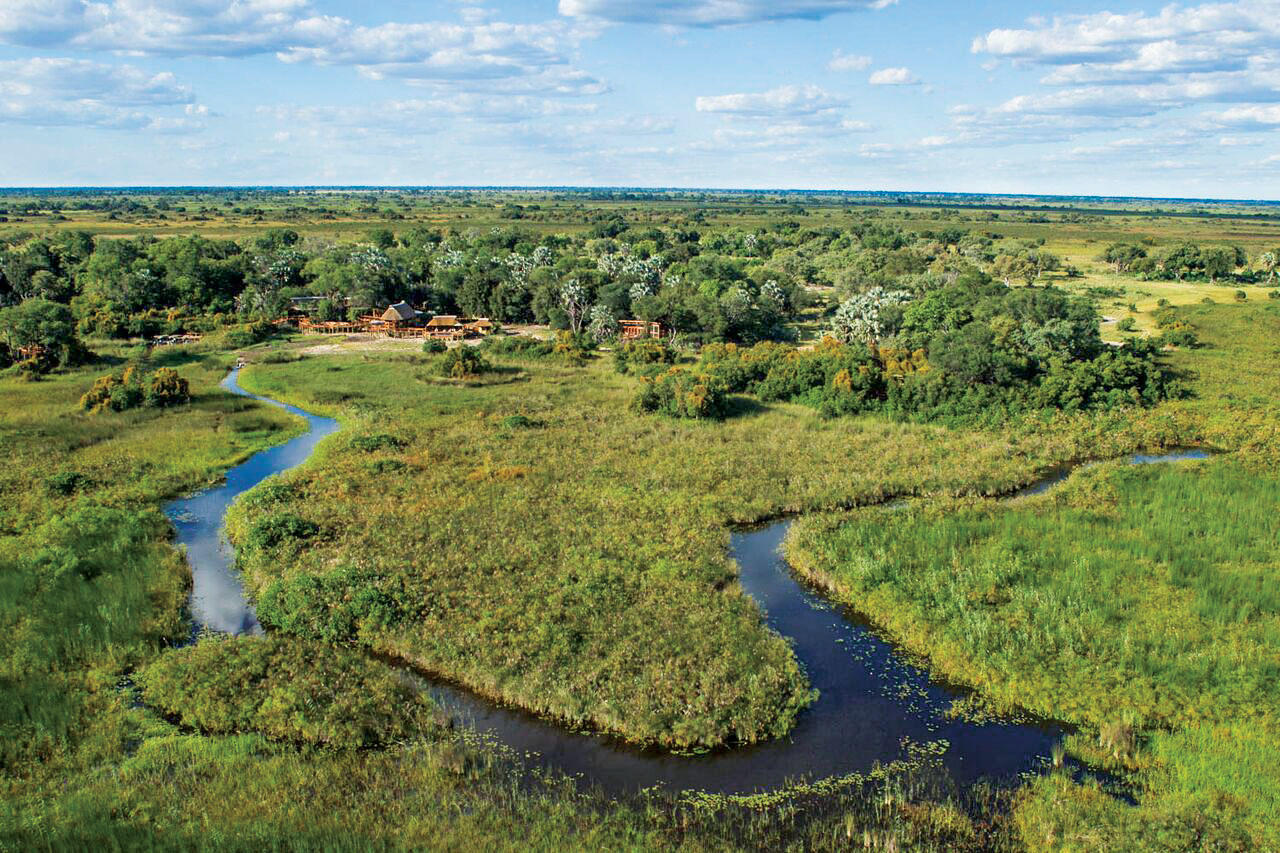
Picture the world’s largest inland delta spreading across 15,000 square kilometers like nature’s own masterpiece, where the Okavango River opens into countless crystal channels, a mix of floodplains, lagoons, woodlands, and islands that attract a vast array of species.
Islands are scattered like stepping stones across this liquid wilderness, and floodplains shimmer with life. Here’s what makes it extraordinary: this river never finds the sea. Instead, it disappears into the Kalahari’s embrace, creating something that shifts and changes with every season’s rhythm.
What you’ll discover is terrain so perfectly flat you can barely sense it just two meters of elevation change across this entire water world. That gentle slope lets the floods move like slow-motion magic, turning Botswana’s dry heart into something alive and pulsing each year.
You’re witnessing something rare: the place where desert meets delta, where the harsh Kalahari suddenly gives way to channels teeming with life. It’s this conversation between dry and wet that makes every visit feel different.
The seasons here speak in two voices. When the wet season arrives November through March you’ll hear it in the thunder that rolls across vast skies and feel it in the rains that swell the Okavango and send water spreading through every channel.
This is when everything turns green overnight, when migratory birds fill the air, and wildlife spreads out across landscapes suddenly rich with choice. Then comes the dry season’s quieter story, from April to October.
Clear skies stretch endlessly above, temperatures cool, and as the water slowly retreats, something magical happens animals gather around the remaining pools and channels, creating those safari moments that feel almost choreographed.
Whether you find yourself here when everything’s lush and green or during those iconic dry months when wildlife concentrates around every water source, the Delta’s ever-shifting personality promises you something you won’t find anywhere else in Africa.
What to Expect on an Okavango Delta Safari
A safari in the Okavango Delta feels fundamentally different from anywhere else in Africa.
It’s quieter. Slower. More intentional.
Instead of racing from sighting to sighting, the Delta invites you to settle into the rhythm of the wild. You begin to notice more the sound of water moving through reeds, the distant call of birds, the subtle movement of animals through the landscape.
Guests enjoy a range of land and water activities, including game drives, mokoro excursions, and boat trips, all offered year-round in prime locations. The Okavango Delta is renowned for its diverse safari activities that cater to different interests, such as bird watching, cultural interactions, and sunset cruises, making it suitable for both first-time and returning travelers.
This is safari stripped back to its essence, where exceptional guiding plays a crucial role in deepening your connection to the wilderness and enhancing every moment.
Here, guests also have the opportunity to encounter rare species such as sable and roan antelope, honey badgers, black and white rhinos, and African wild dogs, adding to the exclusivity and richness of the experience.
A Slower, More Immersive Experience
The Delta rewards patience.
Seasoned safari goers especially value the slower, more immersive approach of the Delta, appreciating the opportunity to connect deeply with the landscape and its wildlife. You may spend time drifting through channels or sitting quietly as wildlife moves around you. It’s less about ticking off sightings and more about being present in the environment.
Water-Based Safaris
This is what defines the Okavango experience.
- Mokoro (canoe) safaris Guided by local polers, these mokoro excursions are a highlight of water safaris in the Delta. Conducted in a traditional dugout canoe, they take you silently through narrow channels, bringing you close to birds, amphibians, and larger animals along the water’s edge.
- Boat safaris Water safaris also include motor boat experiences, which are ideal for covering wider areas and exploring deeper lagoons and channels.
The stillness of these dugout canoe excursions creates moments that feel almost meditative.
Land-Based Game Drives
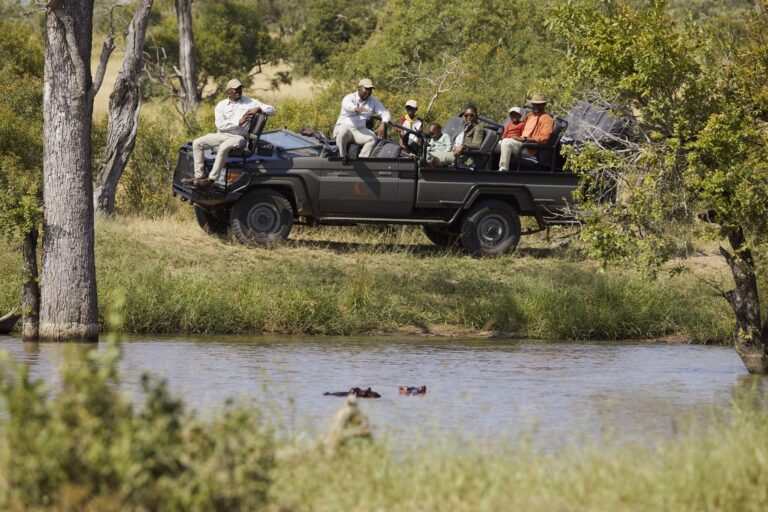
In regions like Moremi Game Reserve, you return to more traditional safari experiences—but with the added richness of the Delta ecosystem. In some private concessions and remote areas, night drives are also offered, giving you the chance to observe nocturnal wildlife such as leopards, hyenas, and porcupines, which are rarely seen during the day.
Here, predators thrive, and game viewing can be exceptional.
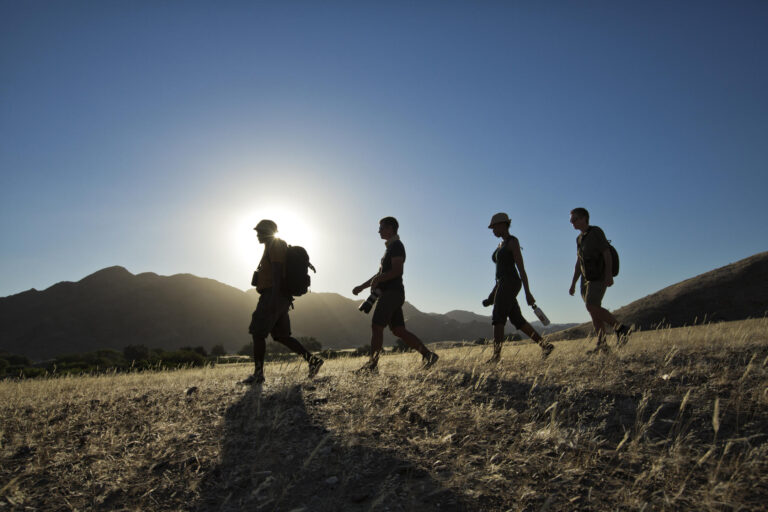
Walking Safaris
A walking safari in the Delta offers a completely different perspective.
You begin to understand the bush in detail—tracks, plants, sounds. It’s an experience that deepens your connection to the land.
A Slower, More Immersive Experience
The Delta changes how you experience safari.
There’s less rushing, less chasing sightings. Instead, it invites you to slow down—to observe, to listen, to be present.
Water-Based Safaris
This is what defines the Okavango experience.
Mokoro (canoe) safaris Quiet, intimate, guided by local experts; mokoro trips are an essential part of the Delta experience, allowing you to immerse yourself in its unique landscapes and wildlife
Boat safaris Perfect for exploring deeper channels
You don’t just watch wildlife you move through their world.
Land-Based Game Drives
In areas like Moremi Game Reserve, traditional game drives offer incredible sightings, including predators and large herds.
Walking Safaris
Explore the Delta on foot with expert guides, learning about tracks, plants, and the smaller details often missed from a vehicle.
Wildlife in the Okavango Delta
The Okavango Delta is one of the most wildlife-rich regions in Africa, exemplifying the African wilderness at its most pristine and its diversity is shaped by the presence of water, offering some of the best game viewing on the continent.
Unlike drier safari regions, the Delta supports both land and aquatic ecosystems, creating a unique blend of species and interactions across habitats such as floodplains, open plains, and riverine woodland, which is especially important along the Khwai River for supporting diverse wildlife and predator activity.
You may encounter:
- Elephants Often seen moving through floodplains in large herds
- Lions and leopards Thriving in areas where prey is abundant
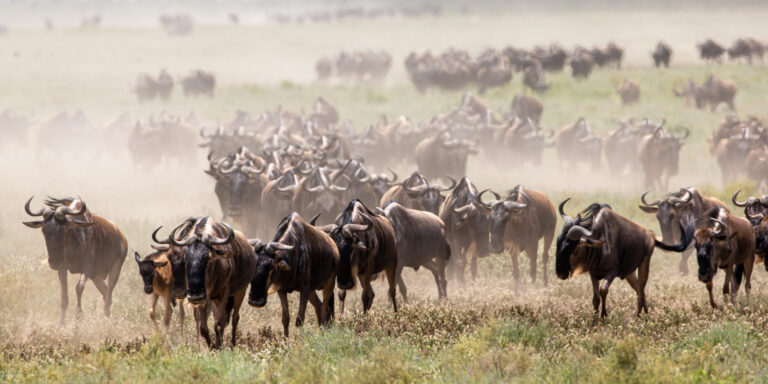
- Buffalo Moving in impressive numbers across open areas
- Hippos and crocodiles Dominating the waterways
- Antelope species Including red lechwe and the rare sitatunga, adapted to wet environments
- Wild dogs Packs of wild dogs roam the Delta, known for their exhilarating hunts and status as one of Africa’s most successful and iconic predators
- Birdlife From fish eagles to kingfishers, the Delta is a paradise for birdwatchers
What makes wildlife viewing here special isn’t just the variety it’s the setting.
Animals interact with water constantly, creating scenes you won’t find elsewhere in Africa.
The Delta supports an incredible diversity of species.
You may see:
- Elephants (large herds)
- Lions and leopards
- Buffalo
- Hippos and crocodiles
- Antelope species (red lechwe, sitatunga)
- Wild dogs
- Rich birdlife
Every day brings something different and often unexpected.
Best Time to Visit the Okavango Delta
The timing of your visit changes the entire experience.
Flood Season (June – October)
This is when the Okavango Delta is at its most iconic, coinciding with Botswana’s dry season from June to October, which is the peak visiting season.
During Botswana’s dry winter (June to August), the Delta is at its fullest, as rain from the Angolan highlands takes months to reach and flood the region. The seasonal flood pulse creates a vibrant wetland during the dry season, making the Delta a unique ecosystem.
Rising floodwaters fill channels and lagoons, making water-based activities like mokoro and boating excursions especially rewarding. Wildlife congregates around the remaining water sources on islands and higher ground, offering optimal wildlife viewing from May to October, when the floodwaters peak and the drier conditions concentrate game. Cooler temperatures and reduced rainfall further enhance the safari experience.
- Water-based activities are at their best
- Wildlife concentrates on islands and higher ground
- Visibility improves as vegetation thins
This is peak season and for many travelers, the most rewarding time to visit.
Green Season (November – May)
- The rains bring a different kind of beauty.
- The landscape becomes lush and vibrant
- Wildlife disperses more widely
- Birdlife flourishes with migratory species arriving
It’s quieter, more intimate, and often more affordable.
Both seasons offer something unique—the choice depends on the experience you want.
Where to Stay in the Okavango Delta
Accommodation in the Delta is designed to complement the environment not compete with it.
Many lodges in the Okavango Delta are exclusive camps, offering luxurious and private safari accommodations with high-end amenities, prime locations, and personalized service.
These exclusive camps set themselves apart with exceptional game viewing and a sense of privacy. Many are also designed to be environmentally friendly, constructed from local materials, and can be disassembled within 24 hours to minimize their ecological footprint.
Accommodation options include intimate tented camps, luxury lodges with private plunge pools, and eco-friendly camps that focus on walking and mokoro safaris. Most lodges are small, remote, and built with sustainability in mind, offering an experience that feels both luxurious and connected to nature.
Some lodges also offer the option of a private guide for a more personalized safari experience. Rates are typically quoted per person, ensuring clarity and value for individual travelers.
Luxury Lodges
These offer a high level of comfort and exclusivity.
- Spacious suites with open views
- Private decks and plunge pools
- Personalized service and guiding
Every detail is designed to feel effortless.
Tented Camps
Don’t let the word “tent” mislead you these are often beautifully designed spaces that blend comfort with authenticity.
- Immersive, close-to-nature atmosphere
- Stylish interiors with modern amenities
- A stronger sense of connection to the environment
Both options deliver exceptional experiences the choice depends on your travel style.
Accommodation in the Delta is primarily high-end and exclusive.
Luxury Lodges
- Private suites with views over water or floodplains
- Personalized service
- All-inclusive experiences
Iconic water-based safari lodges such as Camp Okavango, located on Nxaragha Island, and Xugana Island Lodge offer exclusive access to the Delta’s tranquil wetlands, providing guests with unique mokoro trips, boat safaris, and intimate wildlife encounters.
Tented Camps
- Blend of comfort and authenticity
- Immersive, close-to-nature experience
- Most camps are small, ensuring privacy and exclusivity.
Conservation Efforts in the Okavango Delta
The Okavango Delta doesn’t preserve itself—it needs all of us working together. You’ll find government officials, local communities, conservation groups, and thoughtful travelers like you all playing their part in protecting this extraordinary place.
The renowned Moremi Game Reserve covers about 40% of the delta, and when you combine it with a network of private concessions, you start to see how conservation really works here.
Picture this, private concessions scattered across the delta, each one leased to carefully chosen safari operators who’ve committed to something bigger than just showing you wildlife. These aren’t your typical tourist camps.
When you stay at one of these exclusive lodges, you’re supporting low-impact tourism that actually helps the ecosystem thrive. They limit how many people can visit, focus on walking safaris that let you feel the delta’s rhythm, and offer boat trips where you glide through channels as quietly as the wildlife around you. Every carefully planned game drive you take helps maintain what makes this place so incredible.
But here’s what really matters this isn’t just about protecting beautiful landscapes. The Okavango Delta shelters some of Africa’s most vulnerable creatures, including the African wild dog, one of the continent’s most endangered predators.
Organizations like the Okavango Delta Management Plan work alongside Botswana’s Department of Wildlife and National Parks, quietly monitoring animal populations and fighting threats like poaching. They’re the unsung heroes making sure these species have a future.
When you choose to visit the delta, you become part of this story. Your decision to book with eco-conscious operators, your respect for the delicate balance around you it all adds up.
Every mokoro trip you take, every guided walk where you listen to your guide’s quiet wisdom, every game drive where you witness wild dogs racing across the floodplains becomes your contribution to conservation.
You’re not just observing decades of careful stewardship you’re helping write the next chapter of this remarkable wilderness.
How to Get to the Okavango Delta
Travel typically involves:
International flight to Maun (Botswana)
Light aircraft transfer into the Delta
These small flights offer breathtaking aerial views and are part of the experience.
Who is the Okavango Delta Best For?
Luxury travelers seeking exclusivity
Nature lovers wanting immersive experiences
Honeymooners looking for something unique
Repeat safari-goers wanting a deeper connection
It’s less about ticking boxes and more about how it feels.
Combining the Okavango Delta with Other Destinations
For a richer experience, many travelers combine the Delta with:
- Chobe National Park Elephant herds and river safaris
- Victoria Falls One of the world’s great natural wonders
- Cape Town Iconic city often included in luxury African travel itineraries, offering world-class dining, culture, and scenery
- Chief’s Island Prime wildlife sanctuary within the Okavango Delta, renowned for exclusive, high-end safari experiences and exceptional game viewing
This creates a balanced journey of water, wildlife, and dramatic landscapes.
Tips for Planning Your Okavango Safari
Planning a Delta safari requires a thoughtful approach but when done right, it feels effortless.
- Book early Lodges are small and fill quickly, especially in peak season
- Choose the right camp Some camps focus on water activities, others on game drives—your experience will depend on this
- Pack light Small aircraft transfers have strict luggage limits
- Plan your routing carefully Combining the Delta with other regions enhances your journey
- Work with experts This is one destination where details matter
A well-planned Delta safari is seamless and that’s exactly how it should feel.
Book early (lodges fill quickly)
Pack light (small aircraft restrictions apply)
Choose the right camp based on water levels and activities
Work with experts to design the right itinerary
Safety and Precautions in the Okavango Delta
The Okavango Delta unfolds around you like nowhere else on earth. This UNESCO World Heritage Site—the world’s largest inland delta doesn’t rush to impress. Instead, it draws you in through the quiet splash of a mokoro paddle, the distant rumble of elephant herds, and the soft morning light filtering through fever trees.
Here, among pristine waterways and shifting seasons, you’ll find yourself part of something ancient and untouched. But this wilderness demands respect, and knowing how to move safely through it makes all the difference between a good trip and an extraordinary one.
When you’re sharing space with lions and wild dogs, having the right guide beside you isn’t just helpful it’s everything. These guides read the landscape like a familiar book, knowing when to move closer for that perfect elephant encounter and when to keep a respectful distance.
Whether you’re walking quietly through the bush, settling into a game drive vehicle, or gliding through channels in a mokoro, their knowledge becomes your safety net.
The luxury camps scattered throughout the delta, from Camp Okavango to the exclusive private concessions, understand this deeply. They’ve built their reputations on keeping you close to the action while ensuring you return each evening with nothing but incredible stories.
The delta’s seasonal rhythms bring their own considerations, particularly during the rains when malaria-carrying mosquitoes become part of the evening soundtrack.
You’ll want to embrace the long-sleeved shirts and pants as the sun sets, keep that insect repellent close, and appreciate the mosquito nets draped over your bed they’re there for good reason.
Before you even pack your bags for Botswana, sit down with your doctor to talk through malaria prevention and any vaccinations that might make sense for your journey.
The water here tells its own story, and learning to listen to it keeps you safe. Your guide knows these channels intimately where hippos like to rest, how the current shifts with the seasons, where elephants come to drink at sunset.
When they speak during boat trips or mokoro excursions, their words carry the weight of years spent reading this liquid landscape. Life jackets aren’t just equipment here; they’re your connection to guides who’ve learned to navigate these waters through experience you can trust.
Moving through the Okavango this way with awareness, respect, and the right people guiding your steps opens up the delta’s secrets naturally.
You’ll find yourself completely absorbed in this African wilderness, knowing that every precaution taken simply clears the way for deeper immersion in one of the world’s most remarkable places.
Responsible Tourism in the Okavango Delta
The Okavango Delta doesn’t just need your visit it needs your care. This pristine wilderness survives because Botswana has chosen a different path, one that weaves conservation into every safari experience. Through thoughtful management of national parks and private concessions, the delta remains what few places on earth can claim: truly wild, genuinely exclusive, and remarkably unspoiled.
Your choices here matter more than you might realize. When you stay at eco-friendly lodges those quiet camps powered by solar panels, where waste becomes resources you’re not just reducing your footprint, you’re actively supporting a different kind of travel.
Places like Xugana Island Lodge take this further, connecting you directly with local communities and conservation efforts that extend far beyond your stay. This isn’t about checking a box; it’s about becoming part of something bigger.
Out on safari, whether you’re gliding through channels in a mokoro or tracking elephants on foot, how you experience the delta shapes what it becomes. Keep that respectful distance from wildlife. Follow your guide’s quiet instructions.
Leave nothing but footprints. Your guide isn’t just showing you animals they’re showing you how to be present in this ecosystem without disturbing its delicate rhythms. The best safari moments come not from getting closer, but from understanding better.
Every mindful choice you make here from the camp you choose to how you move through the landscape helps write the delta’s future.
Whether this is your first African safari or your tenth, you’re contributing to something remarkable: keeping one of our planet’s most extraordinary wilderness areas wild for the travelers who’ll follow in your footsteps. The delta’s beauty isn’t just something to witness; it’s something to protect.
Closing
The Okavango Delta is not just a place you visit.
It’s a place you feel.
Quiet, wild, and deeply immersive it offers a safari experience unlike anywhere else in Africa. The delta consists of a vast network of crystal clear channels, diverse habitats, and seasonal floodplains that create a dynamic environment teeming with incredible game viewing and unforgettable wildlife sightings.
Whether you choose to explore its intimate camps, embark on fly camping adventures, or glide silently through its waterways on a mokoro, every moment here connects you to nature in a profound way.
Visiting the Okavango Delta means embracing a slower pace, allowing the rhythms of the landscape and its inhabitants to guide your journey.
From the rainy season’s lush transformation to the dry season’s dramatic wildlife congregations, each time of year offers unique opportunities to witness the delta’s magic. Exclusive locations and private airstrips ensure your safari tours remain intimate and personalized, providing an unparalleled sense of privacy and connection.
As one of the world’s most remarkable inland deltas and a UNESCO World Heritage Site, the Okavango Delta stands as a testament to conservation and responsible tourism. By choosing eco-friendly accommodations and supporting sustainable travel practices, you contribute to preserving this extraordinary wilderness for generations to come.
Frequently Asked Questions about Okavango Delta Safari
What is the best time to visit the Okavango Delta?
The optimal time to visit is during the dry season from June to October when floodwaters peak, wildlife congregates around water sources, and water-based activities like mokoro rides are at their best. However, the green season from November to April offers lush landscapes and excellent birdwatching opportunities.
How do I get to the Okavango Delta?
Most travelers fly internationally into Maun, Botswana, followed by light aircraft transfers to lodges within the Delta. These transfers offer stunning aerial views of the unique landscape.
What types of accommodation are available?
The Delta offers a range of accommodations from luxury lodges with private plunge pools to intimate tented camps and eco-friendly camps focused on walking and mokoro safaris. Many lodges are designed to minimize environmental impact.
What safari activities can I expect?
Visitors can enjoy water-based safaris such as mokoro canoeing and boat cruises, traditional game drives, walking safaris, night drives, bird watching, and cultural interactions.
Is the Okavango Delta suitable for first-time safari travelers?
Absolutely. The Delta offers diverse safari experiences suited for both first-timers and seasoned travelers, with expert guides ensuring a memorable and immersive visit.