Tailor made safaris for African Travel



If there’s one place that defines the African safari experience for millions of travelers, it’s Kruger National Park.
Vast, diverse, and teeming with wildlife, Kruger offers something rare: a safari that feels both wild and accessible. Located in the southern part of South Africa, Kruger National Park South stands out as a renowned safari destination, drawing visitors from around the world for its consistency and richness. It’s where first-time travelers fall in love with Africa, where families share unforgettable moments, and where seasoned explorers return time and again.
Picture this: the early morning light filters through acacia trees as your guide slows the vehicle. A herd of elephants crosses the road ahead, unhurried, completely at ease. All around, there are so many animals impalas grazing, giraffes browsing, and somewhere in the distance, a lion calls.
This is Kruger.
At Go Do Africa, we see Kruger not just as a destination but as the perfect introduction to safari done right.
In this guide, we’ll walk you through everything you need to know to plan a Kruger safari from where to stay and when to go, to what makes this park one of Africa’s most iconic wildlife destinations.
What Makes Kruger National Park So Special?
Kruger is one of Africa’s largest and most established national parks, covering approximately 19,623 km², making it one of the largest game reserves in Africa. The park is a prime location for birdwatching, featuring over 500 species, including migratory birds during the wet season.
But its size isn’t what makes it special it’s the combination of accessibility, biodiversity, and consistency.
What sets Kruger apart:
- Incredible wildlife density, including all of the Big Five game animals elephants, lions, leopards, buffaloes, and rhinos
- Well-developed infrastructure, making travel easier
- Diverse ecosystems, from open savannah to riverine forests
- Range of safari styles, from self-drive to ultra-luxury lodges
Kruger National Park has documented 147 species of large mammals, more than any other African game reserve, providing ample opportunities for wildlife sightings.
Kruger offers a safari experience that is both reliable and deeply rewarding. The greater Kruger National Park includes private reserves and neighboring conservation areas, expanding the region for wildlife viewing and safaris.
Historically, the park’s origins trace back to early protection efforts in the South African Republic, beginning with the establishment of the sabie game reserve (also known as the Sabi Game Reserve) in 1898 by Paul Kruger to protect local wildlife. These reserves formed the basis for what would become Kruger National Park.
Its formal establishment was secured under the National Parks Act of 1926, which unified game reserves and set up protected status and management structures.
James Stevenson-Hamilton, appointed as the first Warden of Kruger National Park, played a foundational role in developing and managing the park, serving for decades and shaping its conservation legacy.
Location and Geography of Kruger National Park
Kruger National Park unfolds across the north-east of South Africa, where 19,485 square kilometers of wild landscape pulse with life and ancient rhythms.
You’ll find this magnificent sanctuary nestled between Limpopo and Mpumalanga provinces, with Skukuza serving as its beating heart the main hub where your African adventure truly begins. Picture the park’s natural boundaries: the mighty Limpopo River flowing along the northern edge, the Crocodile
River marking the southern boundary, and the dramatic Lebombo Mountains forming a natural wall to the east between South Africa and Mozambique.
The western boundary traces a gentle parallel to these mountains, about 65 kilometers inland, embracing a landscape that breathes and shifts from low-lying plains to rolling hills that seem to stretch endlessly under the African sky.
These rivers and mountain ranges serve as clear, physical delimiters that separate the park from its surrounding environment. The land itself tells a story through elevation from 200 meters where the morning mist clings to eastern valleys, rising to 840 meters in the south west where the hill called Khandzalive stands as the park’s highest sentinel.
The central region is roughly the centre between the Limpopo and Crocodile Rivers, providing a spatial anchor for the park’s diverse habitats. In the northern Kruger National Park, unique ecological characteristics emerge, including the Singwitsi Reserve and the Pafuri triangle, which are known for their distinct flora and fauna.
The park’s vegetation is equally diverse, with main tree species including red bush willow, mopane, marula, and various thorn trees that define the landscape’s ecological character.
Along rivers like the Sabie, you’ll encounter the red bush willow veld a key vegetation zone characterized by the presence of red bush-willow (Combretum apiculatum) and thorn trees, often interspersed with Acacia and other species.
South of the Olifants River, the grasslands are dominated by buffalo grass, red grass, and scattered trees, making it an important grazing area for wildlife.
Through this diverse terrain, life-giving rivers weave their timeless paths the Sabie River, a significant watercourse renowned for its scenic beauty and wildlife viewing, along with the Olifants, Letaba, and Luvuvhu each one sustaining the incredible tapestry of wildlife that makes Kruger National Park not just a destination, but a living testament to South Africa’s natural soul.
Historically, the Selati railway line played a pivotal role in early tourism, connecting visitors to Kruger National Park and shaping its legacy as a premier safari destination.
What to Expect on a Kruger Safari
Consistent Wildlife Viewing
Kruger is known for its high success rate when it comes to sightings.
Whether you’re hoping to see lions, elephants, or elusive leopards, the chances here are among the best in Africa especially with experienced guides.
A Variety of Safari Experiences
Kruger is unique in that it offers multiple ways to experience safari:
Private reserves Exclusive, guided, luxury-focused
National park stays More flexible and budget-friendly
Self-drive safaris
Freedom to explore at your own pace in your own car; self-driving allows visitors to set their own schedule, but it is essential to follow park rules and speed limits for safety and wildlife protection.
Self-driving in Kruger National Park allows visitors to explore at their own pace, but it is essential to adhere to park rules and speed limits to ensure safety and wildlife protection.
This flexibility makes it ideal for a wide range of travelers.
Guided Game Drives
In private reserves, game drives are led by expert guides and trackers who bring the landscape to life. Guided game drives in Kruger National Park are typically conducted at dawn or dusk, which are the times when animals are most active, enhancing the chances of wildlife sightings.
Their knowledge transforms each sighting into a deeper understanding of animal behavior and the ecosystem.
Walking Safaris
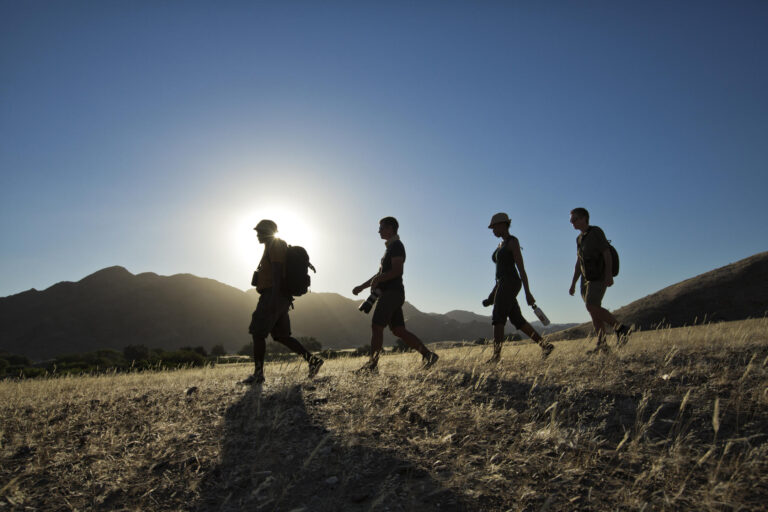
For those seeking a deeper connection, walking safaris offer a chance to experience the bush on foot—slower, quieter, and more immersive.
Best Things to Do in Kruger National Park
Kruger doesn’t rush to impress you it draws you in gradually, through morning mist rising off the savanna and the low rumble of an elephant moving through the trees nearby.
A guided game drive at first light feels different here, where your guide reads the landscape like a familiar story, pointing out fresh leopard tracks pressed into red earth or explaining why the impala suddenly freeze and stare. Walking safaris change everything, though.
When you’re on foot, moving quietly through the bush, you notice things the way grass bends where animals have passed, how different birds call as the day shifts, the particular stillness that settles just before wildlife appears.
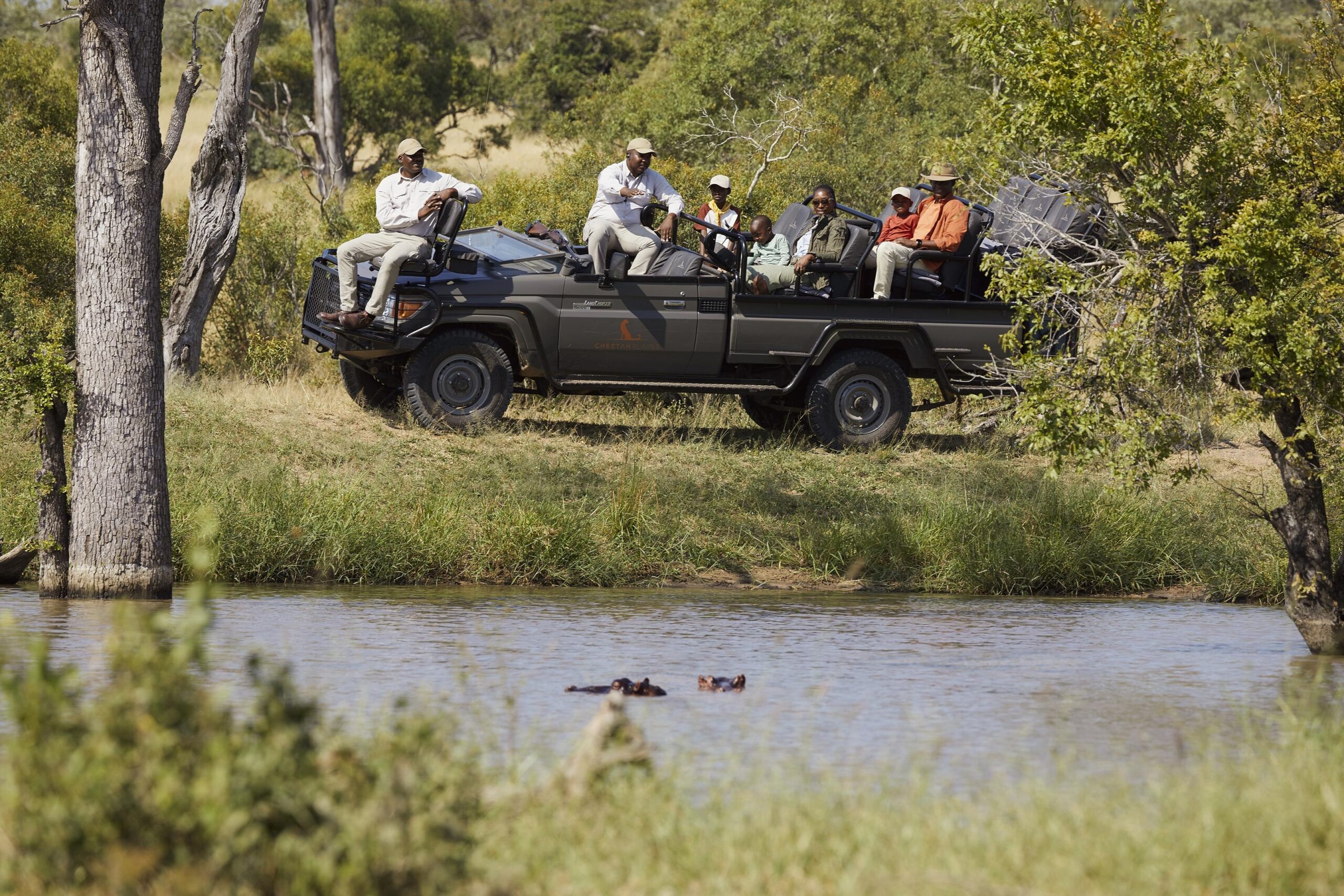
The rest camps work differently than you might expect. Skukuza and Lower Sabie aren’t just places to sleep between drives they become part of the rhythm of your days. You’ll find yourself lingering over breakfast as hippos surface in the Sabie River below, or watching from the camp’s fence as a small herd of buffalo meanders past in the late afternoon heat.
The Panorama Route deserves time, especially if you’re drawn to dramatic landscapes. The road curves through escarpment country where waterfalls drop into deep gorges and the Blyde River has carved canyons that photographers spend hours trying to capture properly.
Birdwatchers discover something special here over 500 species live in these varied habitats, from the deep-throated calls of southern ground hornbills in open grassland to the flash of brilliant kingfishers along the rivers. Evening drives reveal a different park entirely.
As daylight fades and the first stars appear, the bush fills with new sounds the distant whoop of hyenas, the soft movement of animals emerging to drink, the particular quiet that comes when nocturnal life begins to stir. Whether you’re seeking active adventure or moments of stillness, Kruger offers experiences that stay with you long after you’ve returned home.
Wildlife in Kruger National Park
Kruger is one of the best places in Africa to see the Big Five and is renowned for its exceptional biodiversity, with 147 species of large mammals more than any other African game reserve.
You may encounter:
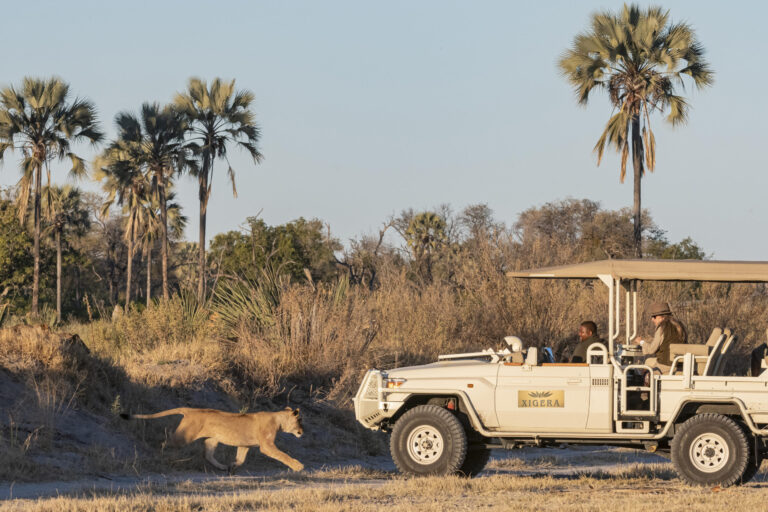
- Lions resting in the shade or on the move at dawn
- Leopards hidden in trees or moving silently through the bush
- Elephants in large, active herds
- Rhinos in protected areas
- Buffalo grazing in open plains
Beyond the Big Five, Kruger offers:
- Cheetahs and wild dogs
- In addition to the Big Five, endangered species such as African wild dogs can be spotted, particularly at the Hoedspruit Endangered Species Centre.
- Giraffes, zebras, and antelope
- Rich birdlife Kruger is a prime location for birdwatching, featuring over 500 species, including migratory birds during the wet season. Ground hornbills roamed the park, and are a notable part of its avifauna, with their unique nesting habits and conservation significance.
Every game drive brings something new.
Best Time to Visit Kruger National Park
Dry Season (May – September)
The best time to visit Kruger National Park for wildlife viewing is during the dry winter months from May to September, when vegetation is less dense and animals are easier to spot near water sources.
During the dry season from April to September, daytime temperatures are milder, and animals tend to gather around limited water sources, making it the optimal time for wildlife viewing in Kruger National Park.
This is the best time for wildlife viewing.
- Vegetation is thinner
- Animals gather around water sources
- Sightings are more frequent
Cooler temperatures also make for comfortable game drives.
Green Season (October – April)
The rainy season in Kruger National Park runs from October to mid-March, transforming the landscape into lush greenery, but making wildlife spotting more challenging due to thicker vegetation.
The landscape transforms into a lush, vibrant environment.
- Beautiful scenery
- Excellent birdwatching
- Fewer crowds and lower rates
While wildlife can be harder to spot, the experience is still rewarding.
Where to Stay in Kruger
Private Game Reserves (Luxury Experience)
Areas like Sabi Sands and Timbavati offer a more exclusive safari.
Private vehicles and guides
Off-road game viewing
High-end lodges and personalized service
Best for: Luxury travelers, honeymooners
National Park Lodges (Accessible Option)
Inside Kruger National Park, you’ll find a range of accommodation options.
More affordable
Flexible travel style
Ideal for self-drive safaris
Best for: Families, budget-conscious travelers
How to Get to Kruger National Park
Kruger is one of the most accessible safari destinations in Africa.
Fly into Johannesburg
Connect via domestic flight or road transfer
Kruger Mpumalanga International Airport is the closest airport to the southern entrances of the park, providing convenient access for visitors.
Many tour operators offer Kruger tours, providing convenient packages that include transfers, accommodation, and guided safaris. Popular entrance gates include Paul Kruger Gate and Crocodile Bridge Gate, and the choice of entrance gate can affect travel planning.
Nearby towns such as White River and Marloth Park offer convenient accommodation options and easy access to the park’s gates.
It’s important to note that Kruger NP (the government-run national park) is distinct from the surrounding private game reserves, which are often fenced and offer different safari experiences.
Many visitors also combine their safari with a drive along the magnificent Panorama Route, a popular day trip featuring scenic attractions like Blyde River Canyon.
For those seeking a broader adventure, Victoria Falls a world-famous UNESCO Heritage Site can be included as part of a multi-destination safari, making it a premier add-on to your Kruger experience.
Travel is straightforward, making it ideal for first-time visitors.
Gates to the Park
Kruger National Park doesn’t simply open its doors it invites you through thoughtfully placed gateways, each one promising a different rhythm to your safari story.
Picture yourself approaching Pafuri Gate in the far north, where the wilderness feels untamed and remote, or passing through Punda Maria Gate as northern landscapes unfold with their distinctive character and quieter wildlife encounters.
Down in the southeast, Crocodile Bridge Gate welcomes travelers from Maputo and southern towns with the promise of quick access to the bustling southern plains and is conveniently located near Lower Sabie Rest Camp, a popular spot known for its amenities and scenic setting by the Sabie River.
Phabeni Gate serves as your gentle introduction to the park’s central and southern heartlands, while gates like Paul Kruger and Orpen connect you seamlessly to comfortable rest camps such as Skukuza Rest Camp the largest and most convenient camp in Kruger Par and provide easy access to the central region, home to notable camps and excellent game viewing opportunities.
Each entrance doesn’t just mark a boundary it shapes the entire texture of your experience, from the peaceful solitude you’ll discover in the north to the vibrant wildlife encounters that define the south.
When you choose Crocodile Bridge Gate, you’re stepping into landscapes where southern plains stretch endlessly before you and are close to Lower Sabie Rest Camp, while selecting Punda Maria Gate means embracing the less-traveled northern reaches where Kruger reveals a more intimate, unhurried side of itself.
Kruger National Park South: Exploring the Southern Region
The southern reaches of Kruger National Park reveal themselves through quiet mornings and afternoon light filtering through fever trees. This is where wildlife gathers in remarkable density not because guidebooks promise it, but because the landscape itself draws animals here.
The Sabie River moves through the bush with purpose, creating those moments you hope for: elephants arriving at the water’s edge, buffalo herds spreading across the floodplains, lions settling into shade as the day grows warm.
The Lebombo Mountains frame the eastern horizon, their weathered slopes marking where South Africa meets Mozambique.
You’ll find the Crocodile Bridge Gate opens easily into this world, connecting you quickly to places like Lower Sabie Rest Camp, where the river becomes your constant companion. Beyond the park’s western boundary, the Manyeleti Game Reserve flows seamlessly into Kruger’s ecosystem, offering quieter game drives if that’s what you’re after.
The Blyde River Canyon waits further west one of those landscapes that photographs never quite capture where hiking trails wind between emerald walls and rushing water.
Skukuza anchors the region as Kruger’s largest rest camp, while Lower Sabie draws people back year after year for its riverside position and the hippos that surface just beyond the deck.
Whether you’re watching first light spread across the Sabie River or standing at canyon viewpoints where the world drops away below you, the south gives you that sense of being exactly where you should be.
It’s less about checking off sightings and more about settling into the rhythm of a place that moves at its own pace.
What to Wear and What to Take
Preparing for your Kruger adventure means thinking like the bush itself quiet, thoughtful, and perfectly attuned to the rhythm of the wild.
Picture yourself settling into that open safari vehicle as the African dawn breaks golden across the savanna, and you’ll understand why those soft khakis, warm beigers, and muted olive greens aren’t just practical choices they’re your invitation to become part of the landscape.
The animals sense everything, and when you move through their world dressed in earth’s own palette, you’re no longer an intruder but a quiet observer.
Feel the weight of quality, breathable fabrics against your skin during those sun-soaked afternoon drives, then appreciate how that warm fleece wraps around you like comfort itself when the evening air carries the first cool whispers of night.
For evening game drives, be sure to dress in long sleeves and bring warm layers or a blanket, as open-sided jeeps can get chilly after sunset and extra coverage helps protect against insects.
Your feet will thank you for choosing sturdy, closed-toe shoes that can handle everything from sandy paths to rocky outcrops during those incredible walking safaris where every step brings you closer to the heartbeat of Africa.
Let that wide-brimmed hat become your trusted companion against the intense African sun, while sunglasses and sunscreen work quietly to protect you so you can focus entirely on the magic unfolding around you.
Your camera with its zoom lens becomes your memory keeper, ready to capture that perfect moment when a leopard pauses in dappled light, and binoculars transform distant movements into intimate wildlife encounters that will stay with you forever.
Pack that insect repellent like the essential it truly is, as bite prevention is highly recommended in Kruger National Park.
Most lodges provide mosquito nets and encourage the use of bug spray to help keep you safe. There is a risk of malaria while on safari in Kruger National Park, so it is advisable to take malaria tablets for any length trip.
Fill your reusable water bottle because the African heat doesn’t negotiate, and tuck in some snacks that’ll keep your energy steady during those longer drives when time seems to pause between sightings.
A small first-aid kit sits quietly in your bag like a wise friend there for those minor scrapes or sudden headaches that shouldn’t interrupt the flow of your Kruger story, ensuring you’re ready for whatever this incredible landscape decides to share with you.
Health and Safety Tips
Kruger’s wild heart beats with an untamed rhythm that demands both respect and awareness from every visitor who enters its ancient landscape. It is considered one of the safest safari areas to visit in the world, especially for solo or female travelers, due to strict safety protocols and regulations.
There is a risk of malaria while on safari in Kruger National Park, and it is advisable to take malaria tablets for any length trip.
The park’s commitment to your safety runs deep, but here in this wilderness where elephants move like grey shadows and lions rest under acacia trees, a few thoughtful precautions become your compass for a remarkable journey.
Bite prevention is highly recommended in Kruger National Park, and most lodges provide mosquito nets and encourage the use of bug spray.
Your guides and rangers carry years of bush wisdom listen to their voices, trust their guidance, and let the designated paths become your gateway to discovery rather than boundaries to your adventure. Wildlife here moves according to its own ancient patterns, not ours, so that peaceful-looking elephant or resting leopard deserves the respectful distance that keeps both of you safe resist any urge to approach or offer food, no matter how calm the moment feels.
This corner of Africa carries whispers of malaria and tick-bite fever in its evening air, making insect repellent your quiet companion alongside long sleeves and pants when the sun dips low, while prophylactic medication might become part of your preparation if your doctor sees the wisdom in it.
The African sun here doesn’t apologize for its intensity stay ahead of dehydration with regular water, let sunscreen become your shield, and give yourself permission to pause and breathe when the heat builds, especially during those months when Kruger’s temperature climbs toward its peak.
When you stay alert and prepared like this, your Kruger experience transforms into something both profoundly safe and utterly unforgettable.
Accommodation Options in Kruger National Park
Kruger National Park offers a wide range of accommodation options to suit every traveler’s preferences and budget, enhancing your safari experience by allowing you to stay close to the wildlife.
Government-Run Rest Camps
The park features numerous rest camps managed by South African National Parks (SANParks). These camps provide budget-friendly lodging choices, including camping sites, safari tents, and rondavels (traditional huts). Facilities typically include restaurants, shops, swimming pools, and guided activities. Popular rest camps like Skukuza, Lower Sabie, and Satara are well-equipped and centrally located for game viewing. Prices range from approximately £15/$20 for camping spots to around £120/$160 per night for more comfortable units.
Private Lodges Within the Park
For travelers seeking a more luxurious experience, private lodges inside Kruger offer upscale accommodations with amenities such as air conditioning, gourmet meals, and guided game drives included. These lodges often provide intimate safari experiences with smaller guest numbers and personalized service. Private lodges in and around Kruger National Park provide a more luxurious experience, often including full board meals and guided game drives, with prices typically exceeding £1,000 per night. Staying inside Kruger National Park allows guests to be closer to wildlife and offers a variety of accommodation types, from basic campsites to more luxurious lodges, while accommodations outside the park may provide better value for money but require adherence to park entry and exit times.
Accommodation Outside the Park
Staying just outside Kruger’s gates in nearby towns like Hazyview or White River offers additional lodging options, often at a lower cost. These include hotels, guesthouses, and private lodges that can provide shuttle services into the park. While these options may require adherence to park entry and exit times, they are ideal for travelers seeking comfort and convenience with easy access to Kruger.
Unique and Boutique Options
Some travelers opt for unique accommodations such as treehouses, luxury tents, or eco-lodges that blend comfort with a close connection to nature. These boutique options often include specialized safari packages and personalized service, providing a memorable and distinctive stay.
No matter your choice, booking accommodations well in advance is essential, especially during peak seasons, to secure your preferred location and style of stay within or near Kruger National Park.
Booking a Safari or Game Drive
Planning your Kruger safari begins with understanding what draws you to the African bush.
The dry winter months reveal the park’s secrets most clearly animals gather at water sources, and the sparse vegetation means nothing stays hidden for long.
But there’s something magical about the green season too, when the landscape transforms into a lush tapestry and you’ll often find yourself alone with the wildlife.
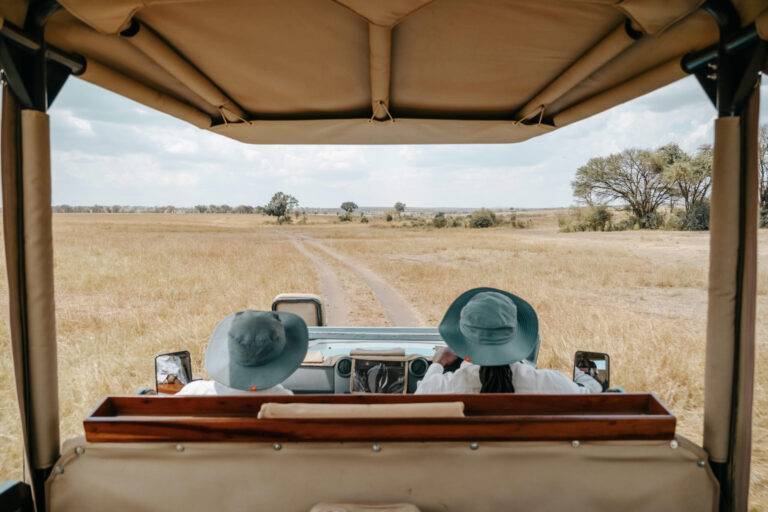
Your choice of vehicle shapes how you’ll experience it all: an open-sided 4×4 puts you right in the heart of it, where you can smell the earth after rain and feel the African sun on your skin, while enclosed vehicles offer a quieter, more comfortable way to watch the world unfold.
The ranger beside you makes all the difference between simply seeing animals and truly understanding the stories they’re telling. Look for operators whose guides don’t just spot the Big Five they read the landscape like an ancient text, interpreting tracks in the dust and calls in the distance. How long you spend in this world depends on how deeply you want to sink into it.
A half-day drive gives you a taste of the wild, but there’s something profound about staying longer, moving between different rest camps as the light changes, watching how the bush transforms from dawn to dusk.
Safari packages vary as much as the experiences themselves some include everything from hearty bush meals to transfers from Kruger Mpumalanga International Airport, while others focus purely on the game drives. Private game reserves adjacent to Kruger, such as Sabi Sand, offer exclusive experiences with the ability to conduct off-road driving and night drives not typically allowed in the main park.
The best experiences rarely happen by chance, especially during the busy months when everyone wants to witness the African wilderness.
Whether you’re joining others who share your sense of adventure or preferring the intimacy of a private vehicle, booking ahead ensures you’re not just visiting Kruger you’re stepping into it prepared, comfortable, and ready for whatever the bush decides to show you.
Safari Packages and Tours
Kruger doesn’t reveal all its secrets at once. The park offers safari experiences that unfold naturally, each one shaped by how you choose to step into its world.
Guided game drives let you settle into the rhythm of the landscape while your guide reads the subtle signs a bent grass blade, distant bird calls, the way light shifts across the savanna. These moments build into encounters with wildlife that feel both thrilling and inevitable.
Walking safaris change everything. Your footsteps join the pulse of the bush, and suddenly you’re noticing the intricate world that exists between the big game sightings the textures, sounds, and smaller dramas that reveal how this ecosystem breathes.
Your accommodation shapes how you experience this wildness. Luxury lodges wrap you in comfort that feels natural here elegant spaces that frame the landscape rather than compete with it, meals that celebrate local flavors, and private pools where you can watch the sun set over your own piece of Africa.
But the magic isn’t reserved for those with larger budgets. Rest camps and bush camps offer their own authentic connection to Kruger, where the sounds of the night feel closer, and self-drive adventures let you discover your own pace through this ancient landscape. Both paths lead to the same essential experience being present in one of Africa’s great wild places.
Some travelers are drawn to specific threads of Kruger’s story. Birdwatchers find themselves in quiet communion with over 500 species, while photographers chase the perfect interplay of light and movement across the savanna.
Families create their own safari rhythm, with activities that help children understand their place in this larger natural world. Whether you have a weekend or a full week, the key isn’t finding the perfect package it’s understanding what draws you to this place and letting Kruger meet you there.
Conservation Efforts in Kruger National Park
Kruger doesn’t just protect wildlife it weaves you into Africa’s greatest conservation story. Here, South African National Parks doesn’t simply manage land; they orchestrate a delicate dance between rangers tracking rhino movements through golden grasslands, researchers quietly monitoring the flutter of countless bird species, and restoration teams breathing life back into wounded landscapes.
The rhythm of anti-poaching operations pulses through the park like a heartbeat, while every game drive you take becomes part of something larger than tourism. When you spot those Big Five thriving in their natural home, you’re witnessing decades of careful, dedicated work paying off in the most beautiful way possible.
Your presence here following park guidelines, keeping eyes open for anything unusual, supporting the communities who call this place home transforms you from visitor to guardian. This is what authentic conservation looks like: stable wildlife populations, flourishing ecosystems, and travelers like you helping write the next chapter of South Africa’s natural legacy.
Anti-Poaching Operations in Kruger
Kruger doesn’t just protect its wildlife it fights for it, every single day. The park’s anti-poaching teams move through the bushveld like guardians of an ancient trust, their work never pausing as darkness falls or dawn breaks across the savanna.
You’ll find these highly trained rangers working hand-in-hand with the South African Police Service and Defence Force, creating something remarkable a living network of protection that stretches across two million hectares of wild Africa.
They share intelligence the way water flows between riverbeds, swift and purposeful, coordinating responses that can mean the difference between life and death for a rhino or elephant.
The technology feels almost otherworldly against Kruger’s timeless landscape. Drones drift silently above ancient baobabs while camera traps blink awake in remote corners where few humans ever venture, watching and waiting in the spaces between day and night.
But this isn’t a story of machines replacing people it’s about balance. Ranger patrols still follow animal paths on foot, working alongside detection dogs whose noses can read the bush like a map, while aircraft circle overhead, stitching together a protective web that covers every corner of this vast wilderness.
What makes Kruger’s approach truly powerful, though, is how it reaches beyond park boundaries into the hearts of neighboring communities. The park doesn’t just patrol it listens, learns, and builds bridges with local villages, showing families how conservation can become a pathway to prosperity rather than a barrier to survival.
When you drive through Kruger’s gates, you become more than a visitor you become part of something bigger than yourself.
Your presence here, whether you’re watching a herd of elephants at a waterhole or listening to lions call in the distance, directly supports the quiet heroes working around the clock to ensure these moments will exist for your children and their children.
This is conservation in action, and you’re helping write its next chapter.
Park Management and Operations
Every incredible safari moment you experience in Kruger National Park flows from something most visitors never see a carefully orchestrated dance of conservation and hospitality led by South African National Parks.
As guardians of South Africa’s most beloved wilderness, SANParks weaves together conservation, tourism, and community connections with the kind of quiet precision that makes magic happen.
The park breathes through distinct regions, each guided by its own management team, creating tailored approaches that honor both the land’s wild rhythms and the people who visit.
The conservation team works like skilled craftsmen, restoring habitats, tracking wildlife movements, and standing guard against poachers ensuring Kruger remains both a sanctuary for wild creatures and a living classroom for researchers.
Meanwhile, the tourism side of things hums with equal dedication, tending to rest camps and bush lodges, crafting experiences that range from classic game drives to intimate walking safaris and extraordinary birdwatching adventures.
These teams don’t work in isolation they weave connections with local communities, tour operators, and conservation groups, building a shared sense of stewardship that ripples far beyond the park’s boundaries.
When you walk Kruger’s trails or watch elephants move through golden light, you’re experiencing something carefully planned and thoughtfully monitored.
This approach ensures that Kruger stays true to its purpose not just as a place where adventure and discovery unfold naturally, but as a working example of how tourism and conservation can support each other across Africa.
Who is Kruger Best For?
- First-time safari travelers n- Families with children
- Travelers seeking value and variety
- Those wanting a mix of luxury and accessibility
Kruger adapts to your travel style.
Tips for Planning Your Kruger Safari
Book early for private reserves to secure the best accommodations and guided game drives, especially during peak seasons from May to September when wildlife viewing is at its best.
Choose guided experiences for better wildlife sightings. Expert guides and trackers know the park’s secret spots and animal behaviors, increasing your chances of encountering the Big Five and other fascinating species.
Combine your Kruger safari with other South African highlights like Cape Town or the Panorama Route for a well-rounded trip that balances wildlife adventure with cultural and scenic experiences.
Pack for changing temperatures. Layers are essential for early morning and evening game drives when it can be chilly, while lightweight, breathable clothing works well during the day. Don’t forget insect repellent and malaria tablets for health and safety. Booking accommodations in Kruger National Park should be done as far in advance as possible, as spots fill up quickly, especially for popular camps like Skukuza and Lower Sabie.
Plan your wildlife viewing around peak activity times—early mornings and late afternoons are when animals are most active, making these ideal for game drives and walking safaris.
Consider exploring both the southern and northern regions of Kruger. The south offers high wildlife density and frequent sightings, while the north provides quieter experiences and excellent birdwatching opportunities.
Bring binoculars and a good camera with zoom to capture distant wildlife moments. Staying patient and observant often leads to the most rewarding encounters.
Respect park rules and maintain a safe distance from animals to ensure your safety and the wellbeing of the wildlife.
With these tips, your Kruger safari will be a memorable journey filled with incredible wildlife encounters and authentic African adventure.
Combination Destinations: Pairing Kruger with Other South African Highlights
Your Kruger safari opens the door to experiences that stretch far beyond the park’s boundaries. Kruger is also part of the Great Limpopo Transfrontier Park, a vast conservation area that includes Limpopo National Park in Mozambique and Gonarezhou National Park in Zimbabwe, working together to promote regional ecological connectivity and cross-border conservation initiatives. Cape Town calls to many travelers, and for good reason.
Table Mountain rises from a city that pulses with energy, where ocean breezes carry the scent of fynbos and the sounds of multiple languages blend in busy markets. The contrast shapes your journey: morning game drives watching elephants move through golden grass, then evening dinners where Atlantic waves crash below restaurant terraces. This isn’t just variety it’s the full range of what South Africa offers in a single trip.
The Panorama Route reveals itself through winding mountain roads where mist clings to escarpment edges and waterfalls drop into green valleys below.
Driving these highlands of Mpumalanga, you’ll find yourself stopping frequently not because you have to, but because the Blyde River Canyon demands it, and because those distant views stretch further than your eyes can follow. The route flows naturally from Kruger National, and Hazyview becomes your basecamp where morning birdsong mixes with the distant rumble of safari vehicles heading into the park.
Consider the Garden Route, where Indian Ocean swells meet ancient forests, or the Cape Winelands, where afternoon light filters through vineyard rows and wine cellars hold stories that go back generations.
Each pairing with Kruger creates a different rhythm to your travels. You’re not just checking destinations off a list you’re experiencing how this country moves from wild spaces to cultivated ones, from the raw beauty of the bushveld to the refined pleasures of coastal towns and historic wine estates. That’s the real discovery: understanding how all these places connect to form the South Africa that locals know and love.
Cape Town: The Perfect Add-On to Your Kruger Adventure
Cape Town doesn’t compete with Kruger it complements it in ways that make perfect sense once you’re there. After days of morning game drives and evening campfires, the city spreads beneath Table Mountain like a different kind of wilderness.
The mountain catches the light differently throughout the day, and below it, neighborhoods like Bo-Kaap paint the hillside in bright blues and pinks while the V&A Waterfront hums with the kind of energy that draws you in naturally. The cable car up Table Mountain isn’t just about the view though watching the city shrink below you while the ocean stretches toward the horizon puts everything in perspective.
The Cape Peninsula pulls you further south, where the road winds through fynbos that changes color with the seasons and the cliffs at Cape of Good Hope drop straight into churning water. Baboons wander the parking lots here with the confidence of locals, and the wind carries salt and wild honey scents.
The Winelands work differently they slow you down with tastings that happen under oak trees and conversations with winemakers who’ve been working the same soil for generations. Drive the Garden Route and you’ll understand why people build holidays around it, with forest paths that lead to lagoons and coastal towns that each have their own rhythm.
Getting between Kruger and Cape Town is straightforward enough.
Direct flights connect them in just over an hour, or you can drive if you want to see how the landscape shifts from lowveld to mountains to coast. Tour operators here know these combinations work they’ve been crafting these journeys long enough to understand the rhythm travelers need.
Kruger gives you one kind of stillness, and Cape Town offers movement and culture and wine that tastes like the soil it comes from. Together, they show you what South Africa does best.
Why Kruger is Perfect for Your First Safari
Kruger National Park is an ideal choice for first-time safari-goers because it balances the thrill of wild animal encounters with the comfort and convenience that newcomers often seek.
The park’s well-developed infrastructure means that even those unfamiliar with safari logistics can navigate the experience with ease.
From a variety of accommodation options, including budget-friendly rest camps and luxury private lodges, to clear signage and accessible roads, Kruger makes the adventure approachable without sacrificing authenticity.
The diversity of safari experiences available caters to all comfort levels and interests. Whether you prefer self-drive safaris, guided game drives led by expert rangers, or immersive walking safaris, Kruger offers it all. This flexibility enables visitors to tailor their trip according to their preferences and confidence levels, making it a welcoming environment for families, solo travelers, and groups alike.
Moreover, Kruger’s reputation for consistent wildlife sightings, including the iconic Big Five and a rich variety of wild animals, ensures that first-timers have a high chance of witnessing unforgettable moments in nature.
The park’s vast size and varied ecosystems provide a dynamic backdrop for learning about Africa’s wild life, while the presence of knowledgeable guides enriches the experience with fascinating insights into animal behavior and conservation.
Kruger also benefits from its accessibility. The proximity to Kruger Mpumalanga International Airport and multiple well-placed entry gates reduces travel time and stress, allowing visitors to spend more time immersed in the bush. Additionally, the park’s safety protocols and malaria prevention measures provide peace of mind, especially important for those new to the African wilderness.
For many, Kruger is not just a first safari but the beginning of a lifelong passion. It offers a perfect introduction to the rhythms of the wild, the beauty of the African landscape, and the excitement of encountering animals in their natural habitat all within a setting that supports and guides newcomers every step of the way.
Closing
Kruger National Park stands as more than just a travel destination; it is a living, breathing symbol of Africa’s wild heart. It invites you to step into a world where nature’s stories unfold daily, where every sunrise brings the promise of discovery, and every sunset leaves memories that last a lifetime.
This park embodies the spirit of conservation, showcasing how dedicated efforts protect and celebrate the continent’s incredible biodiversity. When you visit Kruger, you become part of a larger narrative one that honors the delicate balance between human curiosity and respect for the wild.
When planning a safari, consider the duration of your stay; spending three to four days in Kruger National Park is recommended to fully enjoy the experience and wildlife sightings.
Whether you are seeking the thrill of spotting a lion on the prowl, the quiet majesty of elephants at a waterhole, or the simple joy of a bird’s song in the morning light, Kruger offers it all with authenticity and grace. Its vast landscapes, rich ecosystems, and welcoming atmosphere create an experience that is as educational as it is exhilarating.
Travelers should be aware of the entrance and exit times for Kruger National Park, as gates open just before sunrise and close around sunset, with fines for late returns.
Every step you take within Kruger’s boundaries is a step closer to understanding the profound connection between people and nature. It’s a place that inspires awe, fosters appreciation, and encourages stewardship of the environment.
Ready to explore Kruger National Park?
Let us design a safari that fits your style, your pace, and your vision seamlessly, expertly, and unforgettable. Whether you dream of a luxury lodge with a private swimming pool, a rustic tent under the stars, or a self-drive adventure through the northern region, we tailor your journey to ensure you experience the best of Kruger Park safaris.
Contact us today to start planning your unforgettable encounter with Africa’s wild animals in one of the world’s most iconic safari destinations. Your adventure awaits at Kruger National Park, where every moment is a story waiting to be told.
Frequently Asked Questions About Kruger National Park Safari
What is the closest airport to Kruger National Park?
The closest airport to the southern part of Kruger National Park is Kruger Mpumalanga International Airport (KMIA), also known as Nelspruit Airport. It offers convenient access to the park’s southern gates and is well connected by domestic flights.
Can I do a self-drive safari in Kruger National Park?
Yes, Kruger National Park allows self-drive safaris. Visitors can explore the park at their own pace using the extensive network of roads. However, it is important to follow park rules, adhere to speed limits, and respect wildlife safety guidelines.
When is the best time to visit Kruger National Park for wildlife viewing?
The best time is during the dry winter months from May to September when vegetation is sparse and animals gather around limited water sources, making wildlife easier to spot.
Are walking safaris available in Kruger National Park?
Yes, walking safaris are offered and provide an intimate experience with the ecosystem, led by armed rangers to ensure safety while tracking animals on foot.
What animals can I expect to see in Kruger National Park?
Kruger is home to all of the Big Five (elephant, lion, leopard, buffalo, and rhino), as well as endangered species like African wild dogs, cheetahs, giraffes, zebras, and a rich variety of birdlife.
What are the park’s gate opening and closing times?
Gates typically open just before sunrise and close around sunset. Visitors must adhere to these times to avoid fines.
Is malaria a risk in Kruger National Park?
Yes, there is a risk of malaria, so it is advisable to take malaria prophylactics and use bite prevention measures such as mosquito nets and insect repellent.
Can I stay inside Kruger National Park?
Yes, there are several accommodation options inside the park, including government-run rest camps and private lodges, offering a range of experiences and price points.