Tailor made safaris for African Travel



How much does an African safari cost?
It’s the question that sits quietly in the background of every dream.
You’ve seen the images the golden savannah, the elephants at sunset, the quiet luxury of a lodge overlooking the wild. But before that dream becomes reality, there’s one thing you need clarity on: the investment.
At Go Do Africa, we believe in transparency. A safari isn’t just a trip it’s a carefully crafted experience, and understanding the cost helps you make confident, informed decisions. If you’re ready to start planning your dream safari, this guide will help you take the first steps toward a personalized and unforgettable adventure.
In this guide, we break down exactly what a safari costs in 2026, what influences pricing, and how to choose the right experience for you without compromise.
What Does an African Safari Cost (and Why Does it Vary)?
An African safari can range anywhere from $200 to over $3,000 per person, per day. The average safari cost and average African safari cost are influenced by factors such as location, type of safari, and included services, with prices most often quoted per person, per night to help travelers estimate their overall budget.
That’s a wide range and for good reason.
Unlike a typical holiday, a safari includes multiple elements bundled into one seamless experience: accommodation, guiding, transport, meals, park fees, and often flights within Africa. Costs are typically calculated on a per night or per person, per night basis, allowing travelers to compare options across destinations and accommodation types. Each of these components can vary significantly depending on your destination and level of luxury.
The key is understanding that you’re not just paying for a place to stay you’re investing in access, expertise, exclusivity, and experience.
Safari Cost Breakdown by Budget Level
Budget Safaris ($200–$400 per person/day)
This is a budget safari in its simplest form authentic, adventurous, and accessible.
You can expect:
- Basic lodges or tented camps
- Shared game drives
- Larger groups
- Limited inclusions
- The option to pitch your own tent at designated campsites for a lower cost
Budget-friendly options for accommodation include basic campsites or lodges ranging from $100 to $250 per night, while budget accommodation typically costs between $20 and $100 per person per night and is usually located outside of national parks. For comparison, mid-range options range from $100 to $500 per person per night, or $300 to $700 per night for a room.
This level is ideal for travelers who prioritize the experience over comfort and are happy with a more structured itinerary. For those seeking even greater savings and independence, a DIY safari is another cost-effective option for adventurous travelers.
Mid-Range Safaris ($400–$800 per person/day)
This is where value and comfort meet.
You’ll enjoy:
- Well-designed lodges or tented camps
- Excellent guiding and game viewing
- Smaller group sizes
- Most meals and activities included
For many travelers, this is the sweet spot offering a high-quality safari without the premium price tag.
Luxury Safaris ($800–$2,500+ per person/day)
This is where safari becomes effortless.
- Exclusive lodges in prime wildlife areas
- Luxury accommodation and luxury lodges featuring amenities such as swimming pools and private plunge pools
- Private or semi-private game drives
- Gourmet dining and curated experiences
- Seamless logistics (often including charter flights)
Everything is designed around you. No waiting, no compromises just pure immersion.
Ultra-Luxury Safaris ($2,500+ per person/day)
At this level, your safari is completely tailored.
You may experience:
- Private villas or exclusive-use lodges
- Dedicated guides, vehicles, and staff
- Helicopter transfers and bespoke itineraries
- Total privacy and flexibility
This is not just travel it’s a once-in-a-lifetime experience designed around every detail.
What Factors Influence Safari Cost?
1. Destination
Some countries naturally cost more due to exclusivity and conservation models.
Tanzania safari & Tanzania safari costs
Tanzania offers a variety of safari experiences, from budget camping to luxury lodges. Park fees, accommodation level, and seasonality influence Tanzania safari costs. Popular destinations include the Serengeti and the must-see Ngorongoro Crater, both known for exceptional wildlife viewing.
Kenya safari cost
Kenya safari cost varies widely depending on the level of luxury, travel season, and itinerary. Kenya is known for the Masai Mara and offers both affordable and high-end safari options, often compared with Tanzania for value and experience.
Botswana safari
Botswana is renowned for high-end, low-impact tourism, resulting in higher costs. A Botswana safari often features exclusive lodges and remote locations, with Chobe National Park and the Okavango Delta as key highlights for wildlife enthusiasts.
South Africa’s highlights
South Africa offers more accessible pricing and diverse experiences. Key highlights include Cape Town, the scenic Garden Route, and world-famous Kruger National Park, making it a top choice for first-time safari-goers.
Southern Africa & Victoria Falls
Southern Africa encompasses a range of safari destinations, with Victoria Falls in Zimbabwe/Zambia standing out as a major attraction. Many itineraries combine Victoria Falls with safaris in Botswana or South Africa for a comprehensive adventure.
Safari costs can vary significantly based on the region, with Tanzania and Kenya generally being more affordable compared to South Africa and Botswana, where prices can be higher due to exclusivity and remote locations. Additionally, the choice of safari company whether a local safari company or an international operator can influence both the cost and quality of your experience. Working with a local safari company may offer better value and more personalized service.
2. Seasonality
Timing plays a major role.
Peak season (June–October and holidays like Christmas)
This is the period of highest demand, associated with the highest prices and optimal wildlife visibility. Peak season generally runs from July to October, coinciding with the dry season and high demand from international visitors. Accommodation and safari prices are at their highest due to limited availability and the influx of international visitors seeking the best wildlife viewing conditions.
Green season (November–April)
Also known as the low season, this period offers lush landscapes, migratory birds, and significantly lower prices for safaris. Traveling during the green season can result in savings of 20-30% on safari packages, with some accommodations offering discounts of up to 50%. Wildlife viewing can be more dispersed due to rains, but birding safaris and unique scenery are highlights.
Shoulder seasons (January, February, and November)
These months offer a balance of reduced rates and good wildlife viewing opportunities before peak season crowds arrive. Traveling during shoulder seasons such as March to May or November can provide better pricing and fair weather.
The time of year significantly impacts safari costs, with peak season prices being much higher than those during the low season, where discounts can reach up to 50%. Safari prices fluctuate between peak, green, and shoulder seasons, so choosing when to travel can make a big difference in your overall african safari cost.
Traveling in the green or shoulder seasons can offer incredible value and is a cost-effective way to experience a safari, combining affordability with memorable wildlife and scenery.
3. Accommodation Type
Your lodge is one of the biggest cost drivers.
From simple camps to luxury villas, the difference lies in:
- Location (private reserves vs national parks)
- Exclusivity
- Level of service
4. Length of Stay
Trip length is a key factor in determining overall safari cost—the longer you stay, the more value you gain but also the higher your total cost, including travel insurance expenses.
A well-balanced safari typically ranges from 7 to 10 days for the best experience.
5. Transport & Flights
Flight costs and transport costs are significant factors in the overall african safari cost, especially in remote destinations like Botswana, where limited infrastructure and longer travel distances can drive up expenses.
Charter flights increase convenience but also cost. Many safari lodges offer the option of booking a private vehicle, which provides greater privacy and flexibility for game drives, though some reserves have policies limiting the number of vehicles per sighting to protect wildlife and guest experience.
Travelers may also consider a self drive safari, which can be more affordable and practical in some African countries, but in Tanzania, legal restrictions and challenging road conditions often make self-guided safaris less feasible compared to guided options.
Safari Activities and Experiences
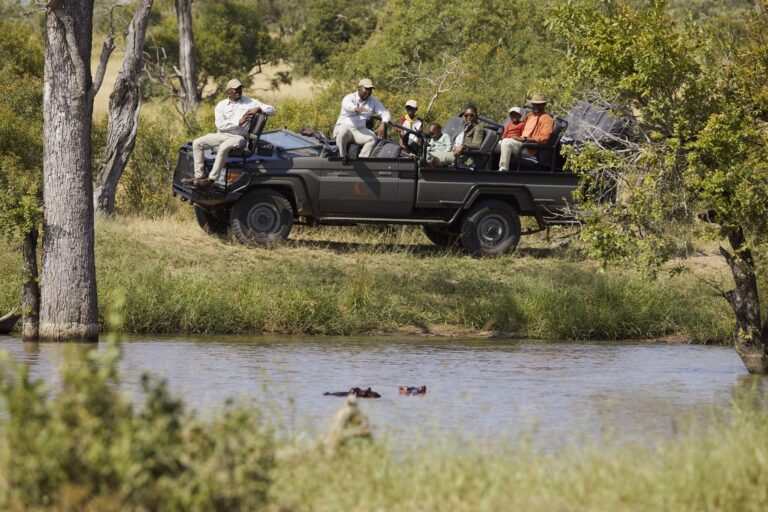
Every African safari unfolds through a tapestry of experiences, each one drawing you deeper into the wild’s ancient rhythms. The heartbeat of most safaris remains the classic game drive those early morning and late afternoon journeys when the savanna comes alive with possibility.
Picture yourself scanning the horizon in South Africa’s Kruger or watching the endless plains of Tanzania’s Serengeti stretch before you, knowing that any moment might bring you face-to-face with a prowling leopard or a thundering elephant herd.
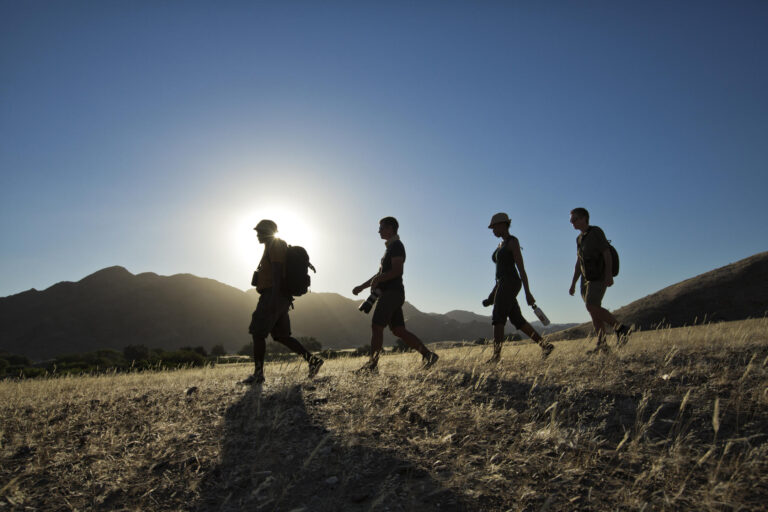
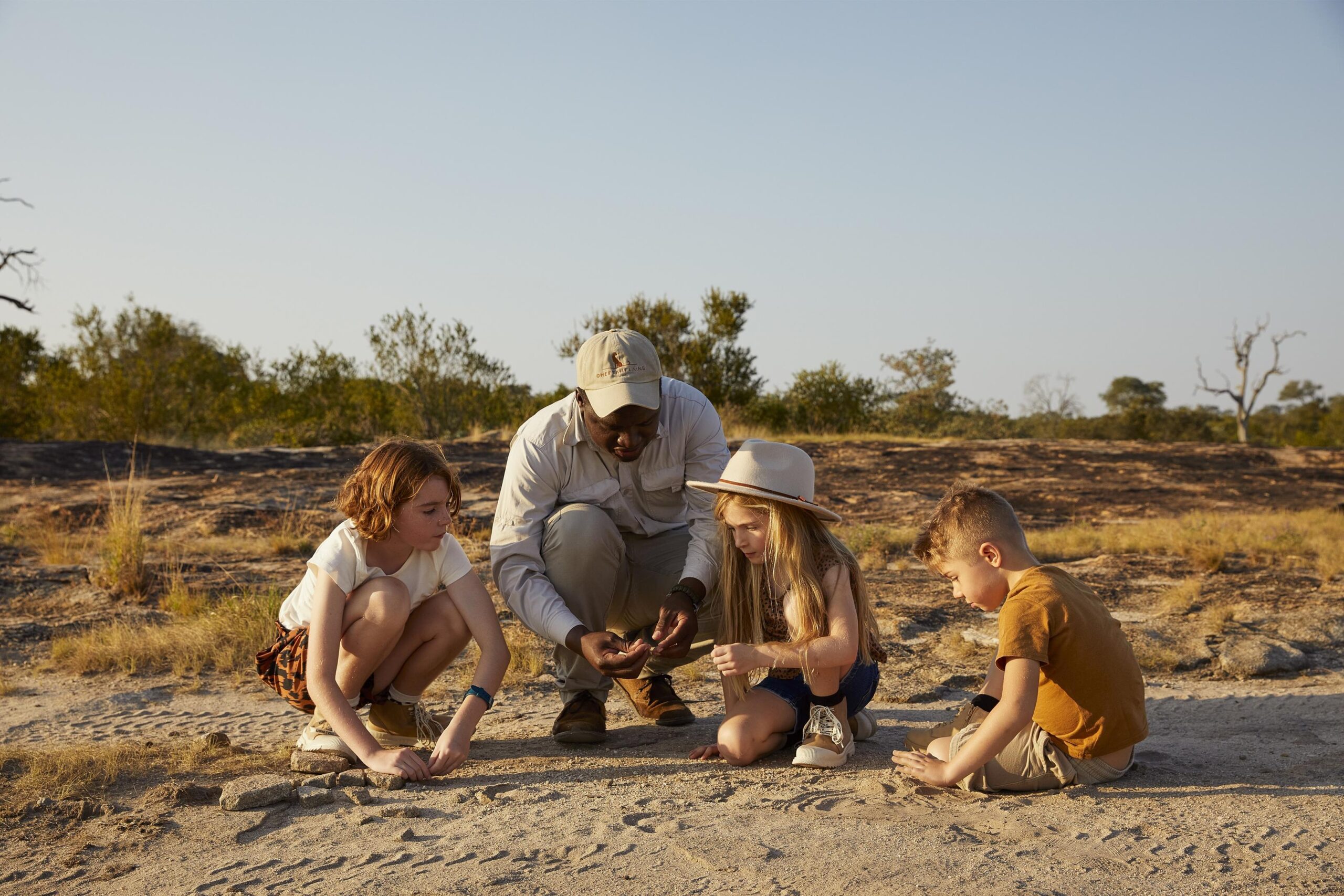
For travelers seeking something more intimate, walking safaris offer an entirely different conversation with the wilderness. Here, expert trackers become your storytellers, reading the landscape like an ancient text and revealing secrets hidden in every footprint and broken branch.
The world of luxury safaris opens doors that transform good experiences into unforgettable ones. Private guides don’t just spot wildlife they understand your interests and adapt each moment to what captivates you most.
Private vehicles mean you can linger when a pride of lions settles in for an afternoon nap, or chase the golden light as it dances across a moving herd. Some experiences feel almost dreamlike: drifting silently over the Serengeti in a hot air balloon as the sun paints the sky, or venturing out after dark when the bush reveals its nocturnal mysteries.
Hot air ballooning is a premium, customizable activity often included as an optional or special experience within luxury safari packages, offering a memorable, aerial wildlife viewing adventure that few other activities can match.
Whether you’re drawn to the intricate world of bird watching, the rich stories found in cultural visits, or the patient art of wildlife photography, specialized guides can unlock these deeper layers of Africa.
Planning your safari means understanding which experiences come woven into your journey and which ones you’ll want to add along the way.
Those premium moments floating above the savanna at sunrise or having a guide focused entirely on your group often carry additional costs that can surprise the unprepared traveler. Factor these possibilities into your planning from the start, and you’ll find yourself free to say yes when those special opportunities arise, knowing your adventure budget can embrace both the planned and the spontaneous.
Special Interest Safaris
When you know exactly what draws you to the wild, a specialized safari shapes itself around that passion. Whether your camera tells stories, birds captivate your attention, or you dream of sitting quietly with mountain gorillas, there’s a journey crafted for exactly what moves you.
In East Africa, photography-focused safaris in the Maasai Mara or Serengeti pair you with guides who understand light, positioning, and the patience needed for those moments when wildlife reveals its true character.
The Okavango Delta transforms into something extraordinary for bird enthusiasts specialist guides know where the calls echo across the water and when the light catches feathers in flight.
Gorilla trekking in Rwanda or Uganda offers something deeper than a simple wildlife encounter. You’ll find yourself walking through misty mountain forests, following trails that lead to gentle giants moving quietly through their ancestral home.
These moments sitting in their presence, watching their interactions, feeling the forest around you create memories that settle into something permanent. The experience requires permits and the guidance of operators who understand both the wildlife and the responsibility that comes with these encounters.
Choosing the right operator makes all the difference in how your specialized safari unfolds. Private safaris and private tours offer customizable, exclusive experiences for small groups or individuals, providing flexibility and privacy compared to group or budget safaris.
Look for guides and companies with real expertise in your area of interest, access to the equipment that enhances your experience, and a history of delivering what they promise.
Solo travellers can benefit from reduced rates during certain seasons or by joining group safaris for affordability, and they have specific needs and opportunities for cost savings when choosing safari options.
This foundation ensures your time in the field flows smoothly, supported by professionals who know how to bring your particular passion to life in Africa’s wild spaces.
Park Entrance Costs and Fees
Understanding park entrance costs becomes part of your safari story before you even set foot on African soil. The numbers tell their own tale Tanzania’s magnificent Serengeti asks around $70 per person each day, while South Africa’s iconic Kruger welcomes you for closer to $25 daily.
These aren’t just fees; they’re your contribution to something larger, funding the conservation work and park maintenance that keeps these wild places thriving for the elephants, lions, and countless species that call them home.
The true picture reveals itself as you dig deeper into your planning. Beyond those standard gates lie additional layers conservation fees that support specialized experiences like guided walking safaris or after-dark game drives when the nocturnal world awakens.
Botswana stands out here, embracing higher conservation fees that support their thoughtful, low-impact approach to tourism. Each dollar reflects a commitment to preserving these landscapes for future generations.
Your safari budget finds its footing when you weave these costs into your planning from the very beginning. This isn’t about hidden surprises waiting to catch you off guard it’s about understanding the full investment in your African journey.
Whether you’re exploring a single park or crafting an adventure across multiple destinations, knowing these fees upfront transforms your planning from guesswork into confident preparation, setting the stage for the smooth, unforgettable experience you’re dreaming of.
What’s Typically Included in a Safari?
Most safaris are surprisingly inclusive, often offered as a safari package an all-inclusive experience that bundles accommodation, meals, activities, and excursions for convenience and clarity.
What’s Usually Included
- Accommodation (lodges, camps, or hotels)
- Meals (full board or half board)
- Game drives and guided activities
- Park entry fees
- Transfers between airstrips and camps
All the costs listed above are estimates and may not include every possible expense, such as flights or optional activities.
What’s Not Included
- International and regional flights
- Alcoholic beverages and premium drinks
- Tips and gratuities
- Travel insurance
- Personal expenses
Be aware of hidden costs such as visas, insurance, special permits, and other extra charges that may not be included in your safari package.
Understanding inclusions helps you compare options more accurately.
Safari Travel Insurance
When you’re planning a safari in Africa, the wilderness doesn’t follow schedules and neither do the unexpected moments that can reshape your journey. Having comprehensive travel coverage becomes your quiet companion, ready to step in when plans shift.
The right policy covers the essentials: trip cancellations when flights don’t connect, medical emergencies in places where the nearest hospital feels worlds away, and those costly medical evacuations that remote safari destinations sometimes require.
Safari travel brings its own rhythm of risks that standard travel policies often miss. Wildlife encounters happen on nature’s terms, not yours. Many lodges sit hours from the nearest town, connected only by dust roads and radio signals.
Choose coverage that understands this reality policies that include adventure activities, protect your camera gear from the elements, and cover personal belongings when you’re living out of a canvas tent under endless skies.
Travel insurance lets you sink into the full experience of your safari, knowing that if something goes sideways, you have support waiting. It’s the kind of practical preparation that frees you to watch elephants emerge from the morning mist without wondering what happens if your flight home gets delayed. Smart planning, quiet confidence that’s what good coverage gives you.
Safari Packing and Preparation
Packing for safari isn’t just about filling a suitcase it’s about preparing for moments you’ll carry long after you return home. The clothes you choose become part of your story, so think lightweight cottons and linens that move with you as you lean forward to watch a leopard in dappled shade.
Neutral colors don’t just help you blend in; they connect you to the landscape in a way that feels natural and unforced. Your feet will carry you through some of Africa’s most remarkable spaces, so choose boots or shoes that feel like trusted companions, especially when you’re walking quietly through the bush where every step matters.
Your gear tells its own story too. That insect repellent becomes your shield against tiny interruptions to perfect moments. Sunscreen protects you while you lose track of time watching elephants at a watering hole.
A hat shades your eyes as you scan the horizon, and a simple first-aid kit gives you confidence to embrace each day fully. Your binoculars bring distant wonders close enough to feel real, while your camera captures not just images, but the light and emotion of each encounter.
Pack layers because the African day unfolds like a symphony cool and crisp at dawn, warm and golden by afternoon.
The real preparation happens in your mind and heart. Understanding local customs isn’t about following rules it’s about connecting authentically with the places and people you’ll meet. Park regulations exist to protect something precious, and when you respect them, you become part of that protection.
Conservation guidelines help ensure these wild spaces remain wild for others who will follow. When you prepare thoughtfully, you’re not just getting ready for a trip you’re preparing to step into a world that will change how you see everything else.
Sample Safari Costs (Realistic Scenarios)
7-Day Mid-Range Safari
Destination: South Africa or Kenya
Cost: ~$3,500 – $6,000 per person
8-Day Luxury Safari
Destination: Botswana or Tanzania
Cost: ~$7,000 – $15,000 per person
10-Day Ultra-Luxury Safari
Destination: Multi-country itinerary
Cost: $20,000+ per person
These are not just trips they’re fully curated experiences.
How to Get the Best Value for Your Safari
Travel in shoulder season (May, November)
Combine destinations strategically
Work with safari experts (this matters more than anything)
We design experiences that maximize value not just reduce cost.
Visiting Local Communities
The real Africa reveals itself not through a vehicle window, but in the moments when you step into a local community and feel the rhythm of daily life around you.
In Tanzania, this might mean finding yourself in the dusty warmth of Arusha’s markets, where vendors call out prices and the air carries the scent of fresh spices, or sitting with Maasai families as they share stories that have shaped generations.
These encounters don’t just add to your safari they change how you see the land itself, connecting you to the people who call this vast landscape home.
Understanding what these experiences cost helps you plan thoughtfully rather than missing opportunities. Some safari operators weave community visits naturally into their itineraries, while others present them as choices you can make along the way.
In Tanzania, expect to invest around $50 to $100 per person for a guided community experience, while similar encounters in Kenya typically range from $30 to $70 per person. What you’re paying for varies perhaps time in a traditional village, an evening of local performances, or joining a community project that supports local families.
When you’re mapping out your safari, factor these costs into your planning early. The decision to engage with local communities goes beyond enriching your own journey it creates a bridge between your travel and the livelihoods of the people you meet.
This connection transforms your African safari from simply observing a place to becoming part of its story, even briefly.
Safari Group Size and Dynamics
Your safari group becomes part of the experience itself shaping not just what you see, but how deeply you connect with the wilderness around you. Picture yourself in a small group of 2 to 6 travelers, where morning game drives unfold at your own rhythm, and your guide becomes more storyteller than schedule-keeper.
There’s an intimacy here that lets you linger when elephants gather at a waterhole or change direction when fresh leopard tracks appear in the dust. This personalized approach creates those profound moments that stay with you long after you return home, though it does mean investing more per person each night.
The numbers tell their own story about what’s possible within your budget. A private safari for two might run you $500 to $1,000 per person per night giving you complete freedom to craft each day exactly as it unfolds.
But join a group of 6 to 8 fellow travelers, and those costs ease to a more accessible $200 to $500 per person per night, opening doors that might otherwise stay closed.
Across Southern Africa, you’ll generally find yourself looking at $300 to $800 per person per night, with the final number dancing between your group size and the level of comfort you’re seeking.
The choice isn’t really about right or wrong it’s about understanding what calls to you most strongly. Some travelers crave the quiet flexibility of small groups, where spontaneous moments can reshape an entire day.
Others find joy in sharing discoveries with new companions while keeping costs grounded. Listen to what matters most in your own travel dreams, then match that vision with what feels sustainable for your budget.
That balance is where your perfect safari lives.
Safari Environmental Impact
Your safari’s environmental footprint shapes more than just your travel experience it touches the very landscapes that define Africa’s wild heart.
When you choose destinations like the Serengeti in Tanzania or South Africa’s Kruger National Park, you’re stepping into places where conservation isn’t just a concept but a daily commitment.
These parks lead the way in sustainable tourism, weaving eco-friendly practices into every aspect of the visitor experience, ensuring the wilderness you explore today remains vibrant for the travelers who follow.
The path toward responsible travel does influence your safari investment, and understanding this connection helps you make choices that align with your values.
In Botswana’s luxury lodges, you might find your nightly rate increases by $50 to $100 per person an investment that powers solar energy systems, supports water recycling initiatives, and funds wildlife conservation programs that protect the very animals you’ve come to see.
Across East Africa, safari experiences typically range from $200 to $500 per person per night, with pricing that reflects both the level of luxury and the depth of environmental commitment you’ll encounter.
As you shape your safari plans, seek out operators and lodges that make green practices part of their DNA those harnessing renewable energy, championing local conservation efforts, and treating waste reduction as seriously as game viewing.
This approach doesn’t just safeguard iconic places like the Serengeti and Kruger; it transforms your journey into something that gives back to the landscapes and communities that welcome you.
When environmental impact becomes part of your decision-making process, your safari evolves from a simple getaway into a meaningful contribution to preserving Africa’s wild beauty for the generations of travelers yet to come.
Is an African Safari Worth the Cost?
This is the real question.
A safari is not just about where you go it’s about what you feel.
The silence of the bush at sunrise. The thrill of a lion sighting. The connection to a place that feels untouched by time.
For many travelers, it becomes one of the most meaningful journeys of their lives.
Closing Thoughts
An African safari is more than a trip it’s a lifetime investment in unforgettable experiences and meaningful memories. The true value lies not just in the cost but in how thoughtfully your journey is crafted to match your dreams and priorities. Whether you choose a budget, mid-range, luxury, or ultra-luxury safari, each offers unique opportunities to connect with Africa’s stunning landscapes, remarkable wildlife, and vibrant cultures.
By understanding the factors that influence african safari cost such as international flights, safari type, accommodation level including mid range lodges, transport options, and seasonal timing you can make informed decisions that balance your budget with your desired experience. Remember, fixed costs like park fees and guides are essential components that support conservation and local communities, making your journey impactful beyond just personal enjoyment.
Traveling during high and low season can affect your costs range significantly, so consider timing your trip to optimize both savings and wildlife viewing. Choosing the right safari company, whether local or international, also influences the quality and value of your adventure.
Ultimately, an African safari offers a rare chance to immerse yourself in nature’s grandeur while supporting vital conservation efforts. It’s an investment in memories that will last a lifetime, a journey that transforms how you see the world and your place within it.
Frequently Asked Questions
How does the Serengeti National Park affect safari costs?
The Serengeti National Park is one of the most popular safari destinations in Tanzania, known for its vast wildlife and the Great Migration. Due to its popularity and high conservation fees, safaris that include the Serengeti tend to be priced higher than other locations. Accommodation inside the park can also be more expensive, especially during the high season.
What should I know about safari costs for a Zambia safari?
A Zambia safari is often considered a more exclusive and remote experience, which can influence the cost. Travel logistics, such as charter flights and transfers, may add to expenses. However, Zambia offers exceptional wilderness and fewer crowds, often justifying the higher price for many travelers.
How does high season impact safari pricing?
High season, typically from June to October and during holiday periods, coincides with optimal wildlife viewing and dry weather. During this time, demand is highest, leading to increased prices for accommodation, park fees, and safari packages. Travelers can expect to pay premium rates compared to the green or shoulder seasons.