Tailor made safaris for African Travel



There’s a moment on every safari when everything becomes real.
The engine cuts. The guide raises a hand. And just ahead, barely visible through the grass, a lion lifts its head and looks directly at you.
It’s quiet. Still. Electric.
This is what draws travelers from around the world to Africa: the chance to witness Africa’s big animals known as the Big Five whose significance in wildlife tourism and conservation is unmatched, and to experience wildlife not in isolation, but in its natural, untamed world.
At the heart of this experience is the legendary Big Five Africa’s most iconic animals: lion, leopard, elephant, rhino, and buffalo. These five species are celebrated not only for their power and beauty but also for their deep cultural importance and their role in eco-tourism across the continent. African wildlife is incredibly diverse, and the Big Five represent the continent’s most sought-after and symbolic species.
At Go Do Africa, we believe seeing the Big Five is more than a checklist. The five species lion, leopard, rhinoceros, elephant, and African buffalo were originally named by big-game hunters for their difficulty to hunt on foot, and today they stand as symbols of Africa’s natural heritage and conservation efforts. It’s a journey into understanding Africa’s wildlife, ecosystems, and the stories that unfold in the wild.
In this guide, we’ll take you through where to see the Big Five, what makes each animal unique, and how to experience them in a way that feels meaningful and unforgettable. For many, the excitement lies in the possibility of seeing all five species in one trip a major draw for travelers seeking the ultimate African safari adventure.
What Are the Big Five (and Why Do They Matter)?
The term “Big Five” originated from the era of big game hunting, when European colonial-era hunters identified five species—the lion, leopard, rhinoceros, elephant, and African buffalo—as the most difficult and dangerous animals to hunt on foot. Today, the meaning has shifted; these animals are now among the most celebrated and protected species in Africa.
They represent the diversity, power, and beauty of the African wilderness.
- Lion (Panthera leo Strength and social power; male lions play a crucial role in prides as apex predators and are culturally significant, historically being highly sought after in trophy hunting.
- Leopard Elusive and mysterious
- Elephant Intelligence and presence
- Rhino Rarity and conservation importance
- Buffalo Resilience and unpredictability
Seeing all five isn’t guaranteed but that’s part of what makes the experience so rewarding.
The Big Five Animals (What to Expect)
Lion – The King of the Savanna
Lions are often the highlight of a safari, with the lion’s roar a powerful sound used for pride communication echoing across the savanna and heard up to 5 miles away.
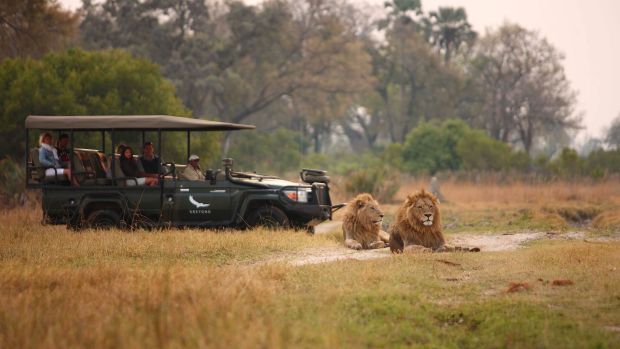
They live in prides, making them the most social of Africa’s big cats, and are primarily found in protected areas of sub-Saharan Africa. Lions are classified as threatened by the IUCN, facing significant threats from habitat loss and human conflict. Watching them interact resting, hunting, protecting their territory offers a powerful glimpse into life in the wild.
Best time to see lions: Early morning or late afternoon
Leopard – The Elusive Shadow
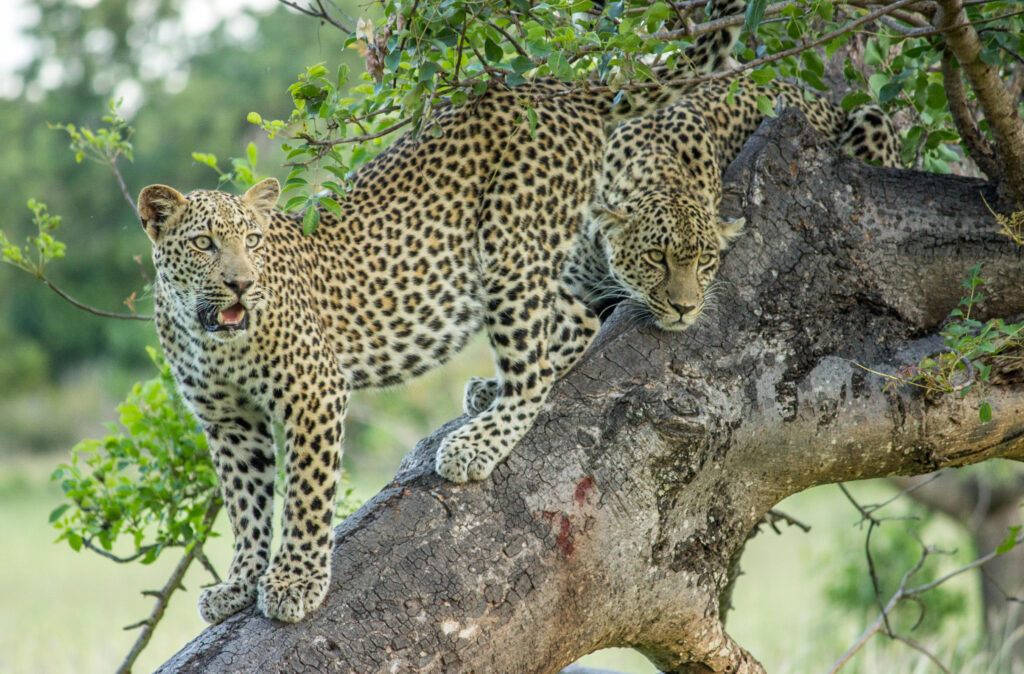
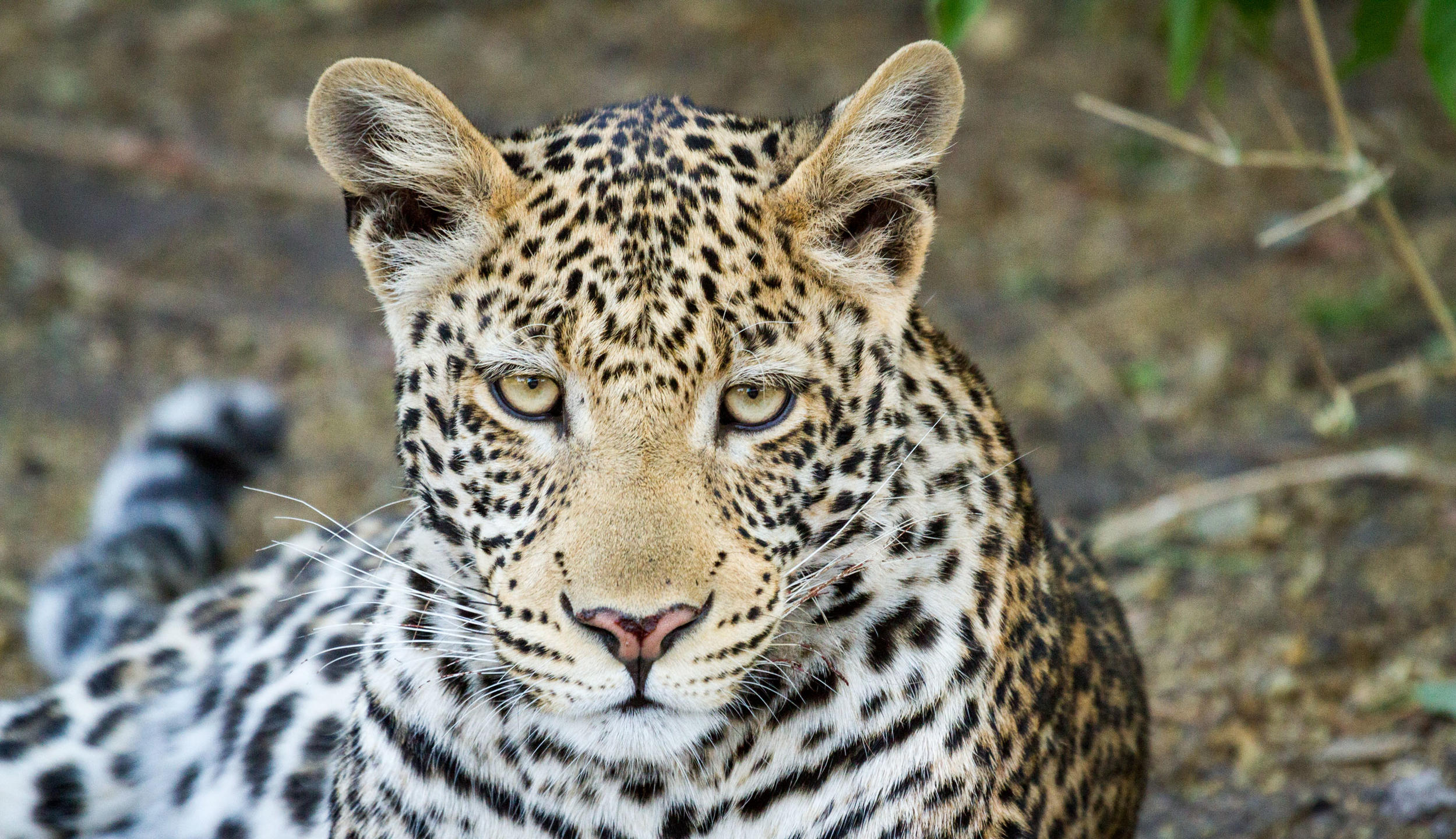
The African leopard is a solitary, highly elusive big cat, renowned for its adaptability and camouflaging abilities. Many visitors leave reserves without seeing a single leopard, as their nocturnal habits and stealth make sightings rare despite the presence of the Big Five. Leopards are currently listed as vulnerable with a decreasing population, now occupying only about 37% of their native African range.
They often rest in trees during the day, draping themselves across branches. Spotting one requires patience and a sharp-eyed guide. Sabi Sands Game Reserve in South Africa is widely considered the best place in the world for frequent and close-up leopard sightings.
Seeing a leopard is always special.
Elephant – Gentle Giants
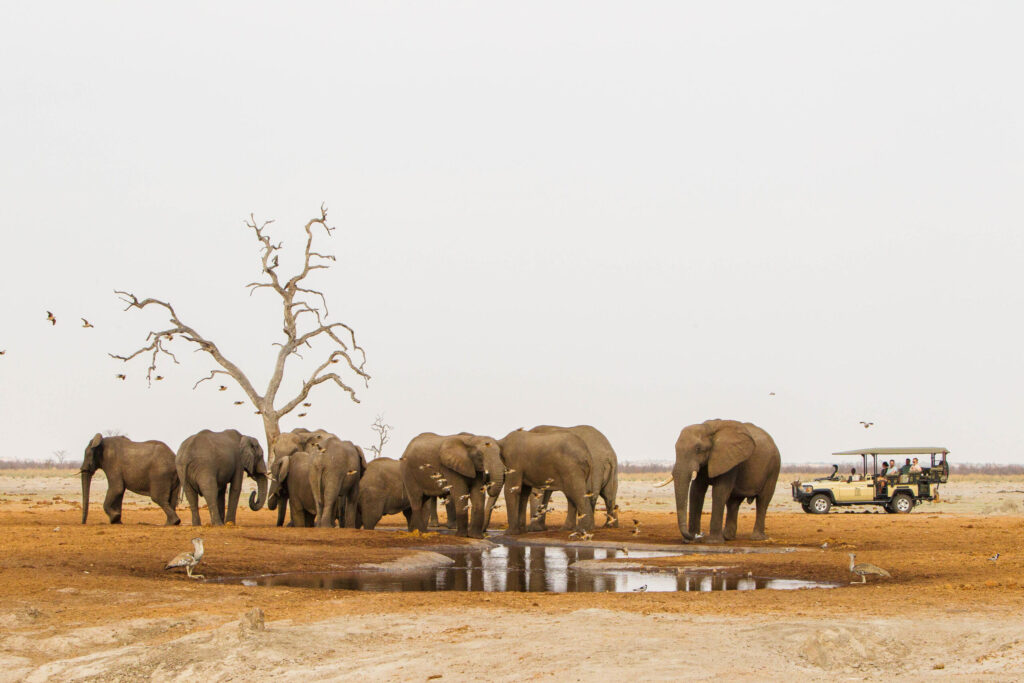
Elephants are the largest land animals on Earth and among the most emotionally intelligent.
Watching a herd move together, especially with young calves, is one of the most moving experiences on safari.
They are present, aware, and unforgettable.
Rhino – Rare and Protected
Rhinos are among the most endangered animals in Africa, with the black rhino one of two species found on a big five safari classified as critically endangered.
Seeing one in the wild is not just a privilege it’s a reminder of the importance of conservation efforts across the continent. Rhino horns are made of keratin, the same protein found in human hair and nails, which makes them highly sought after on the black market. Both black and white rhinoceroses are targeted by poachers due to the high value placed on their horns, with prices rising significantly over the years. Ongoing anti-poaching initiatives are crucial for the survival of these species and have become a central part of conservation strategies in protected areas.
Buffalo – Powerful and Unpredictable
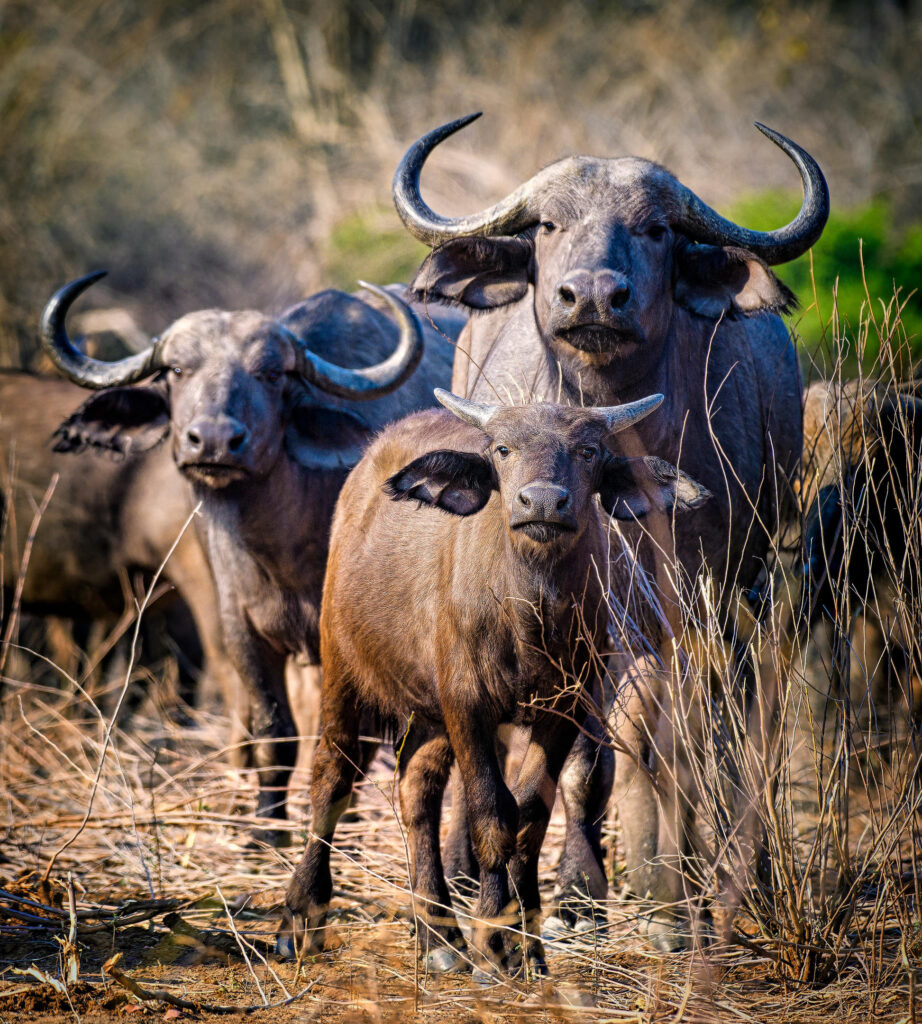
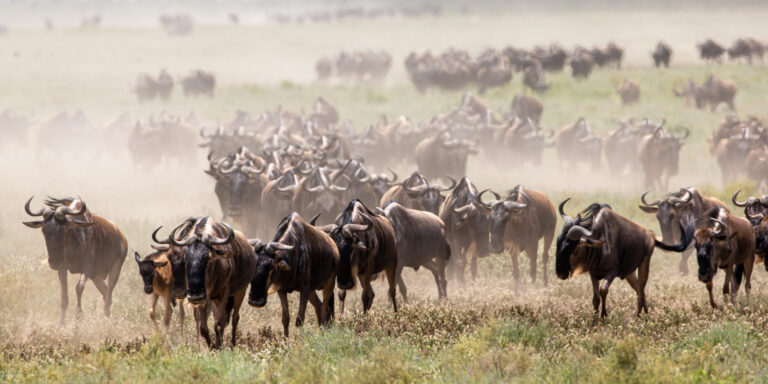
The African buffalo, often underestimated, are incredibly strong animals known for their strong social structure and protective instincts, typically moving in large herds across various African landscapes.
They are a key part of the African ecosystem, but are currently classified as near threatened with a decreasing population according to the IUCN.
Their presence completes the Big Five experience.
Where to See the Big Five in Africa
South Africa – Kruger National Park & Private Reserves
One of the most reliable places to see all five animals.
Why it stands out:
- South Africa’s Kruger National Park and its private reserves like Sabi Sands are among the best places to see all five of the Big Five animals in one trip, with a high success rate for Big Five sightings.
- Excellent infrastructure
- Private game reserves offer exclusive, more intimate safari experiences, often allowing off-road driving and night safaris, which enhance wildlife viewing opportunities.
Best for: First-time travelers, families
Kenya – Maasai Mara
Kenya’s Masai Mara is a premier safari destination, renowned for its incredible predator sightings, especially lions and leopards. The Masai Mara is famous for its high population of lions and stands out as a major destination for Big Five safaris, particularly during the great wildebeest migration—a spectacular natural event that draws visitors from around the world for unparalleled wildlife viewing.
While rhinos are less common in the Masai Mara itself, Lake Nakuru is a top location in Kenya for viewing rhinos in their natural habitat, making it an essential stop for those seeking to see all members of the Big Five.
Best for: Classic safari experience, photography
Tanzania – Serengeti & Ngorongoro Crater
The vast plains of the Serengeti in East Africa are ideal for observing the Big Five, offering unmatched scale and diversity, especially for predators. Tanzania’s Ngorongoro Crater is renowned as one of the best places in Africa for almost guaranteed sightings of the Big Five in a single day, making it a prime safari destination.
Best for: Iconic landscapes and wildlife density
Botswana – Okavango Delta & Moremi
Botswana offers exceptional wildlife viewing, with Chobe National Park boasting one of the highest concentrations of elephants in Africa. The Okavango Delta is renowned for its diverse wildlife and stands out as one of the top destinations for Big Five sightings, particularly elephants and buffalo.
In Botswana’s arid regions, you may also encounter desert-adapted elephants, uniquely suited to the harsh environment. However, rhino sightings are less common in some regions.
However, the overall safari experience is among the most exclusive and immersive.
Best for: Luxury and unique safari styles
Zimbabwe & Zambia – Hidden Gems
Parks like Hwange (Zimbabwe) and South Luangwa (Zambia) offer excellent Big Five opportunities with fewer crowds, and are also home to other predators such as hyenas and wild dogs, which play a crucial role in the ecosystem.
Combining multiple safari destinations, such as Zimbabwe and Zambia, can add diversity to the safari experience by allowing travelers to explore different ecosystems and observe a wider range of wildlife behaviors.
These destinations reward travelers seeking depth and authenticity.
Best Time to See the Big Five
Timing can significantly impact your chances.
- Dry Season (May–October): This is the best time for spotting animals around waterholes and for Big Five sightings, as animals gather around limited water sources, making them easier to spot.
- Wet Season (November–April): Sightings can be more challenging, but the landscapes are greener and there are fewer tourists, which enhances the overall safari experience—especially for birdwatching.
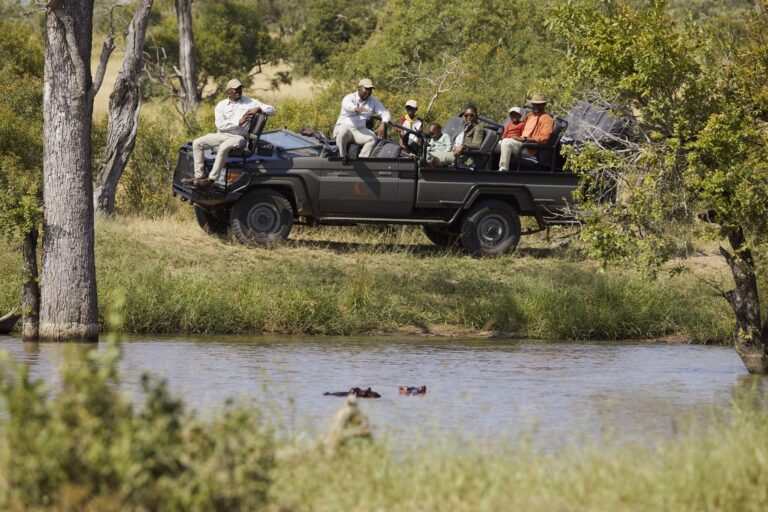
A Big Five safari typically involves early morning and late afternoon game drives, as these are the times when the animals are most active. Guided game drives use custom 4×4 safari vehicles led by professional guides and trackers, offering the best opportunities to observe the Big Five and other wildlife up close.
Tips for Spotting the Big Five
- Be patient wildlife sightings take time
- Trust your guide they know where to look
- Stay quiet and observant
- Focus on the experience, not just the checklist
Sometimes, the best moments happen when you least expect them.
Safari Safety Precautions
The African wilderness doesn’t just welcome you—it transforms you. Here, among the vast savannas and ancient rhythms of the wild, you’ll find yourself face-to-face with Africa’s Big 5—lion, leopard, elephant, rhino, and Cape buffalo. These magnificent creatures move through their world with a power and unpredictability that reminds us we’re visitors in their ancient home.
Your safari through places like Kruger, the Serengeti, or Chobe becomes something extraordinary when you embrace both the wonder and the wisdom of respectful wildlife encounters:
- Keep Your Distance: Think of it as an unspoken conversation across space. Wild animals, especially the formidable African buffalo and elephant, communicate through body language and territory. Even when they appear calm, that tranquility can shift in an instant. The space between you becomes part of the experience—close enough to witness their majesty, far enough to honor their wildness.
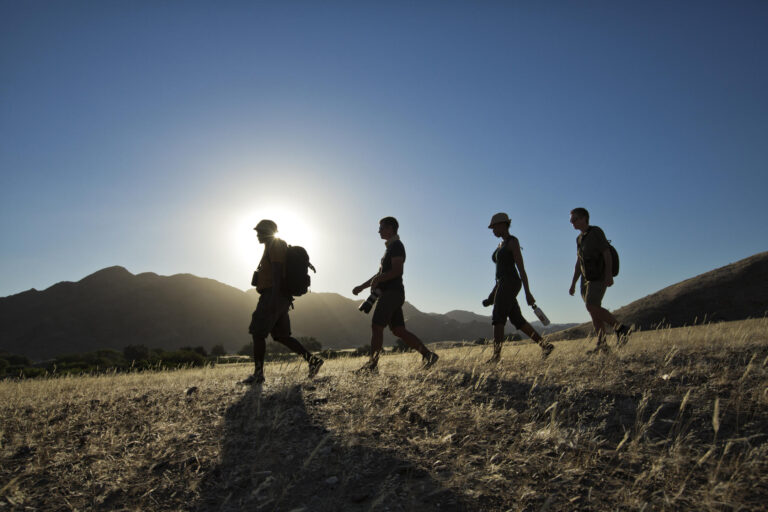
- Stay in the Vehicle: Your safari vehicle isn’t just transportation—it’s your sanctuary on wheels. Designed to blend into the landscape, it becomes part of the environment animals recognize and accept. When your guide signals it’s safe for a walking safari, you’ll understand the difference between observing from your mobile hideaway and stepping into their world on foot.
- Trust Your Guide: Your guide carries years of reading the land, understanding the subtle shifts in animal behavior, the way lions move before a hunt, how elephants signal agitation. Their knowledge flows from countless hours watching these creatures across Africa’s national parks. Listen closely—they’re translating the language of the wild for you.
- Avoid Sudden Movements and Loud Noises: The wilderness operates on a frequency of quiet observation. Sharp movements and raised voices can shatter the delicate balance that allows you to witness natural behavior. When you’re watching big cats stalk through golden grass or observing massive herds at rest, your stillness becomes part of the scene.
- Never Feed or Touch Wild Animals: The temptation might arise—a curious elephant approaches, a seemingly gentle antelope lingers nearby. But feeding wildlife rewrites their natural script, turning wild animals into something they were never meant to be. This is especially true with unpredictable species like the Cape buffalo, where one misread gesture can change everything.
- Be Aware of Your Surroundings: Africa’s landscape holds its own stories—steep escarpments that drop away suddenly, rivers that run swift and deep, thick bush where a leopard might rest unseen. Part of safari wisdom lies in reading the terrain itself, understanding that every environment shapes how you move through it.
- Plan for the Elements: The African sun doesn’t apologize for its intensity. Across eastern and southern Africa, it transforms the day from cool dawn drives to blazing midday heat. Staying hydrated and protected isn’t just comfort—it’s what keeps you alert and present for every moment your safari unfolds.
- Respect the Environment: Leave nothing behind but tire tracks, take nothing but photographs and memories. The landscape you’re experiencing has supported wildlife for millennia. Protecting it means understanding that you’re part of a larger story—one that connects every visitor to the ongoing life of Africa’s wilderness.
- Support Conservation and Local Communities: Choose safari operators who understand that responsible tourism becomes a lifeline for both wildlife and the people who share this land. When your travel dollars support conservation efforts and local communities, your safari transforms from a personal adventure into something larger—a contribution to preserving this wilderness for the travelers who will follow.
Following these guidelines doesn’t limit your safari experience it deepens it.
Whether you’re watching buffalo move like storm clouds across Kruger’s plains, witnessing elephant families navigate the Serengeti’s endless horizons, or marveling at rhinos in Chobe’s ancient landscapes, respect and responsibility become the foundation for encounters that will stay with you long after you’ve returned home. Your African safari becomes extraordinary not despite these precautions, but because of them.
Beyond the Big Five (What Else You’ll See)
While the Big Five are iconic, the diversity of African wildlife goes far beyond them, encompassing a vast array of species and unique ecosystems.
- Giraffes moving across the horizon
- Zebras and wildebeest in large herds
- Hippos in rivers and lagoons
- Birdlife in incredible variety
A safari is never just about five animals it’s about the entire ecosystem.
Why the Big Five Experience Matters
Seeing the Big Five is powerful but understanding them is what makes it meaningful.
Each sighting connects you to a larger story of conservation, balance, and life in the wild. Anti-poaching initiatives and ongoing conservation efforts play a crucial role in protecting the Big Five and other wildlife, ensuring these iconic animals continue to thrive for future generations.
It’s not just what you see it’s what you take with you.
Closing
The Big Five are more than just legendary animals they embody the spirit of Africa’s untamed wilderness and the vital importance of conservation. Each encounter offers a profound connection to nature, culture, and the ongoing story of wildlife preservation across southern and eastern Africa.
Embark on a journey that not only fulfills your safari dreams but also supports the protection of these endangered species and their habitats. From the majestic african elephant to the elusive female leopard, every sighting is a reminder of nature’s resilience and beauty.
Ready to witness the Big Five in their natural home? Let us craft a personalized safari experience that immerses you in the breathtaking landscapes of the Serengeti National Park, Kruger National Park, and beyond bringing you face-to-face with Africa’s most iconic and difficult animals in a safe, responsible, and unforgettable way.
Frequently Asked Questions About the Big Five Safari
What are the Big Five animals?
The Big Five refers to the lion, leopard, rhinoceros (both black and white rhinos), elephant, and African buffalo. These animals were originally named by big-game hunters for being the most difficult and dangerous to hunt on foot.
Where can I see all the Big Five in one safari?
South Africa’s Kruger National Park and its private reserves like Sabi Sands are among the best places to see all five in one trip. Tanzania’s Ngorongoro Crater also offers almost guaranteed sightings, while Botswana’s Okavango Delta and Kenya’s Masai Mara are excellent options as well.
Are the Big Five the most dangerous animals in Africa?
Yes, the Big Five were historically considered the most dangerous animals to hunt on foot. Among them, the African buffalo is often regarded as the most dangerous due to its unpredictable nature and strong protective instincts.
When is the best time to go on a Big Five safari?
The dry season, generally from May to October, is the best time to see the Big Five as animals gather around limited water sources, making them easier to spot. Early morning and late afternoon game drives are ideal since these are when the animals are most active.
Can I see white rhinos on a Big Five safari?
Yes, both black and white rhinos are part of the Big Five. South Africa has the world’s largest population of white rhinos, especially in reserves like Hluhluwe-iMfolozi Park, making it a prime location to see them.