Tailor made safaris for African Travel



There’s a moment on safari when you realize something profound.
It’s not when you see a lion from a vehicle. It’s not even when you witness a dramatic hunt.
It’s when you step out of the vehicle… and into the wild, stepping off the beaten path for a more authentic experience.
Suddenly, everything changes.
The sounds feel closer. The air feels different. Every step becomes intentional. You notice things you would have missed before the imprint of tracks in the sand, the scent of the bush, the subtle alarm calls of birds.
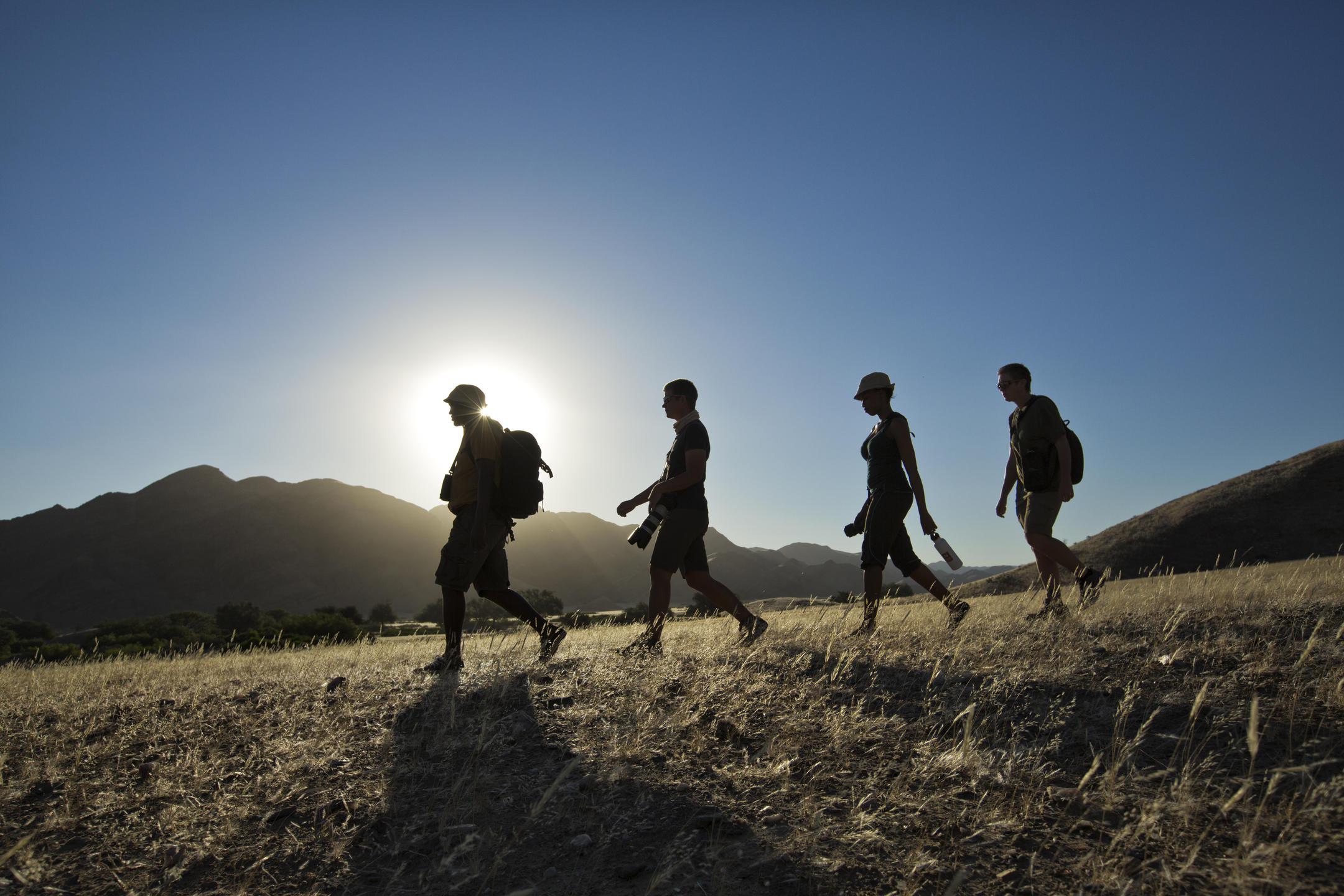
This is a walking safari. Unlike traditional game drives, a walking safari is an immersive journey that lets you connect deeply with Africa’s wilderness, offering a completely different perspective and intimacy you simply can’t get from a vehicle.
At Go Do Africa, we see walking safaris as one of the most powerful ways to experience Africa not from a distance, but from within.
In this guide, we’ll show you what a walking safari really is, where to do it, what to expect, and why it might be the most unforgettable safari experience of your journey.
What is a Walking Safari?
A walking safari is a guided experience where you explore the African bush on foot, led by highly trained professional guides and armed rangers. Walking safaris can be categorized into two main types: short guided bush walks and multi-day guided walking safaris, each offering a unique way to immerse yourself in Africa’s wilderness. Game walks are a primary activity during these safaris, allowing you to explore the terrain on foot and observe wildlife up close.
But it’s not about covering long distances.
It’s about slowing down.
Walking safaris typically cover a distance of 6–12 km (3-5 hours) daily and often involve tracking large game on foot while maintaining a respectful distance. Instead of focusing only on large animals, guided nature walks and bush walks reveal the finer details of the ecosystem, such as animal tracks and signs, local flora, insects, and birdlife:
· Animal tracks and signs
· Plants and their uses
· Insects and birdlife
· The interconnected balance of the environment
Short guided bush walks typically last a few hours and are offered by most lodges as an alternative to game drives, while multi-day walking safaris involve hiking from camp to camp over several days.
It transforms safari from observation into understanding.
What Makes Walking Safaris So Unique?
You Become Part of the Environment
From a vehicle, you’re an observer.
On foot, you’re present.
You feel the ground beneath you. You hear every sound. You become more aware of your surroundings—and your place within them.
A Deeper Connection to Nature
Walking safaris reveal the hidden layers of the bush, fostering a deeper appreciation for the intricate ecosystems and subtle wonders that often go unnoticed.
You learn how to read tracks, understand animal behavior, and notice the subtle signs that tell a story most people never see.
It’s Not About Distance It’s About Detail
A walking safari may cover only a few kilometers but what you experience within that distance is far richer than a longer drive.
Is a Walking Safari Safe?
Yes when conducted by experienced professionals, walking safaris are extremely safe. Walking safaris in Africa are generally considered walking safaris safe when proper safety protocols are followed, thanks to comprehensive safety briefings and the presence of specially trained walking safari guides who are experts in wilderness safety.
Guides are extensively trained in:
- Animal behavior and risk assessment
- Bush navigation
- Emergency procedures
- Exceptionally high guiding standards, including rigorous training programs and mandatory safety briefings before each walk
They are always accompanied by armed rangers when necessary, and strict protocols are followed at all times.
Every walking safari is led by a trained professional walking safari guide who is skilled at recognizing animal behavior and signs of discomfort, ensuring group safety by adhering to strict protocols.
Your guide controls the experience ensuring both safety and enjoyment. It is essential for participants to listen to their guides and follow all safety protocols, as this significantly enhances safety during walking safaris in the wilderness.
Walking safari etiquette includes remaining silent to avoid startling wildlife and not using phones, as these can distract from the experience and compromise safety.
What to Expect on a Walking Safari
Slow, Guided Exploration
Walks are typically unhurried, allowing time to stop, observe, and learn.
You might spend several minutes examining tracks or watching birds, rather than constantly moving.
Small Groups
Walking safaris are usually limited to small groups.
This creates a more personal, focused experience and ensures safety.
Encounters with Wildlife
While the focus isn’t on big game, encounters do happen.
Seeing wildlife on foot offers a completely different perspective more intense, more real, and deeply memorable.
Best Destinations for Walking Safaris in Africa
Zambia – The Birthplace of Walking Safaris
South Luangwa National Park is widely considered the best place for walking safaris.
Why it stands out:
· Exceptional guiding standards
· Remote, wild landscapes
· Strong focus on walking experiences
Zimbabwe – Expert-Led Experiences
Hwange National Park stands out as a key destination for walking safaris in Zimbabwe, renowned for its diverse landscapes and abundant wildlife. Mana Pools National Park, a UNESCO World Heritage Site, is also celebrated for its superb walking safaris, where visitors can encounter elephants, buffalo, and a variety of other wildlife.
Zimbabwe is known for its exceptionally high guiding standards, with guides undergoing rigorous training to ensure safe and insightful experiences across these remarkable parks. Walking safaris in Zimbabwe are best experienced from June to October, during the dry season when wildlife gathers around water sources, making sightings more frequent.
Botswana – Exclusive and Immersive
Botswana is an ideal destination for walking safaris in Africa, renowned for its pristine wilderness and abundant wildlife. The Central Kalahari stands out as a notable walking safari destination, offering travelers a unique and immersive nature adventure.
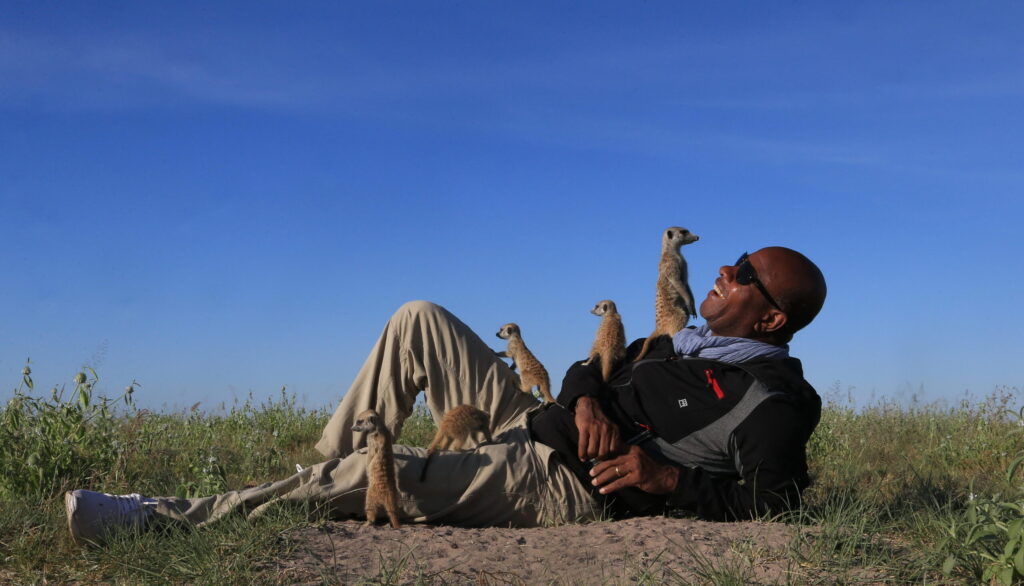
In areas of the Okavango Delta, walking safaris add depth to luxury experiences, allowing visitors to explore its intricate waterways and islands while observing a remarkable variety of wildlife. The ideal time for walking safaris in Botswana is from May to October, during the dry season when wildlife visibility is at its peak due to the flooding of the Okavango Delta.
South Africa – Accessible Options
Private reserves offer shorter, guided walks ideal for first-time walkers. Kruger National Park stands out for its outstanding dry-season bush walk expeditions, making it one of the best places for walking safaris in South Africa. Sabi Sands, a renowned private reserve, is famous for immersive walking safaris and prime Big Five encounters on foot.
The Eastern Cape also provides accessible options for walking safaris, appealing to those seeking a variety of experiences.
Who is a Walking Safari Best For?
- Travelers seeking deeper, more immersive experiences
- Repeat safari-goers looking for something different
- Adventure travelers comfortable in the outdoors
It’s less about ticking off animals—and more about experiencing the bush.
Age Restrictions and Planning
Planning a walking safari in Africa means understanding the minimum age restrictions not because they’re meant to exclude, but because they’re designed to keep everyone safe while ensuring the experience remains magical. Picture yourself stepping into the wild spaces of South Luangwa National Park, Kruger National Park, or Ruaha National Park, where most operators set minimum ages between 12 and 16 years. These aren’t arbitrary numbers. They reflect the reality that when you’re walking among wild animals, every participant needs to listen closely to their guide’s quiet instructions and respond without hesitation.
For families with younger explorers, the bush offers its own gentle welcome. Some operators craft family-friendly walking experiences with softer minimum age requirements, sometimes none at all. These shorter, more relaxed adventures focus on the smaller wonders the intricate patterns of animal tracks pressed into red earth, the aromatic wild herbs that local communities have used for generations, the delicate complexity of plant life that most visitors never notice from a vehicle. Your children discover that Africa’s magic doesn’t always come with big teeth and powerful hooves.
Multi-day walking safaris paint a different picture entirely. These immersive journeys, where you trek from camp to camp through remote wilderness, typically require participants to be at least 16 years old. Multi
day walking safaris require a degree of fitness and the right gear, as participants will be on foot for most of the day, resting each evening in comfortable camps or walk-in tents with proper amenities.
The reason becomes clear when you consider what’s involved: covering substantial distances across challenging terrain, adapting to life in comfortable bush camps, and perhaps even sleeping under a canopy of Southern Hemisphere stars during fly camping experiences. In East Africa’s vast landscapes Kenya’s national parks or the endless Serengeti operators often maintain even stricter age limits, recognizing that encounters with wild dogs, lions, and leopards demand maturity and physical capability.
Southern Africa’s premier destinations tell a similar story. Whether you’re exploring South Luangwa’s legendary walking territory, the pristine wilderness of Lower Zambezi National Park, or Kruger’s diverse ecosystems, most guided walks require participants to be at least 12 or 16 years old.
This isn’t about exclusion it’s about ensuring everyone can absorb safety briefings, respond instinctively to their guide’s signals, and fully embrace what walking offers that vehicles simply cannot. Your armed park ranger or expert guide carries the responsibility of keeping you safe while sharing insights that transform your understanding of the bush.
When you’re planning your walking safari, age is just one consideration. Think about your group’s physical abilities and genuine interests. Walking reveals Africa’s wildlife from an entirely different perspective—you might track endangered species such as the reticulated giraffe across open grasslands or discover the subtle beauty that exists between the dramatic game drive moments. The dry season months from May to October generally offer the best walking conditions, when trails become more accessible and wildlife concentrates around remaining water sources, making encounters more predictable.
Choosing the right operator and respecting their minimum age guidelines opens doors to experiences that will shift your relationship with Africa’s wild places forever. Whether your dreams lead you toward gorilla trekking through the misty forests of Volcanoes National Park, navigating the intricate waterways of the Okavango Delta, or exploring the diverse landscapes of the Eastern Cape on foot, there’s a walking safari that matches your family’s adventure level. The key is starting your planning with honest conversations about what each member of your group truly seeks from their time in Africa’s most spectacular national parks and private reserves.
What to Wear on a Walking Safari
· Neutral-colored clothing (khaki, green, beige)
· Comfortable walking shoes
· Long sleeves and trousers (for protection)
· Hat and sunscreen
Practicality matters more than style.
When is the Best Time for a Walking Safari?
· Dry season (June–October) → Best visibility and safer walking conditions
· Green season → More challenging terrain but beautiful landscapes
Morning walks are most common due to cooler temperatures. In Tanzania, the best time for walking safaris is June to October, when cooler, drier conditions and thinner vegetation provide better wildlife visibility. In some areas, guided bush walks may also take place in the late afternoon.
Tips for Getting the Most Out of a Walking Safari
Stay quiet and attentive
Follow your guide’s instructions at all times
Move slowly and deliberately
Be open to learning, not just seeing
The experience rewards curiosity and patience.
Common Misconceptions About Walking Safaris
“You won’t see big animals”
You might, but that’s not the focus.
“It’s dangerous”
With expert guides, it’s controlled and safe.
“It’s just a walk”
It’s one of the most immersive safari experiences you can have.
Why a Walking Safari Changes Your Perspective
A walking safari shifts your mindset.
You stop chasing sightings and start understanding the environment.
You begin to see the bush not as a backdrop, but as a living, interconnected system.
It’s a quieter experience but often a more powerful one.