Tailor made safaris for African Travel



Close your eyes for a moment.
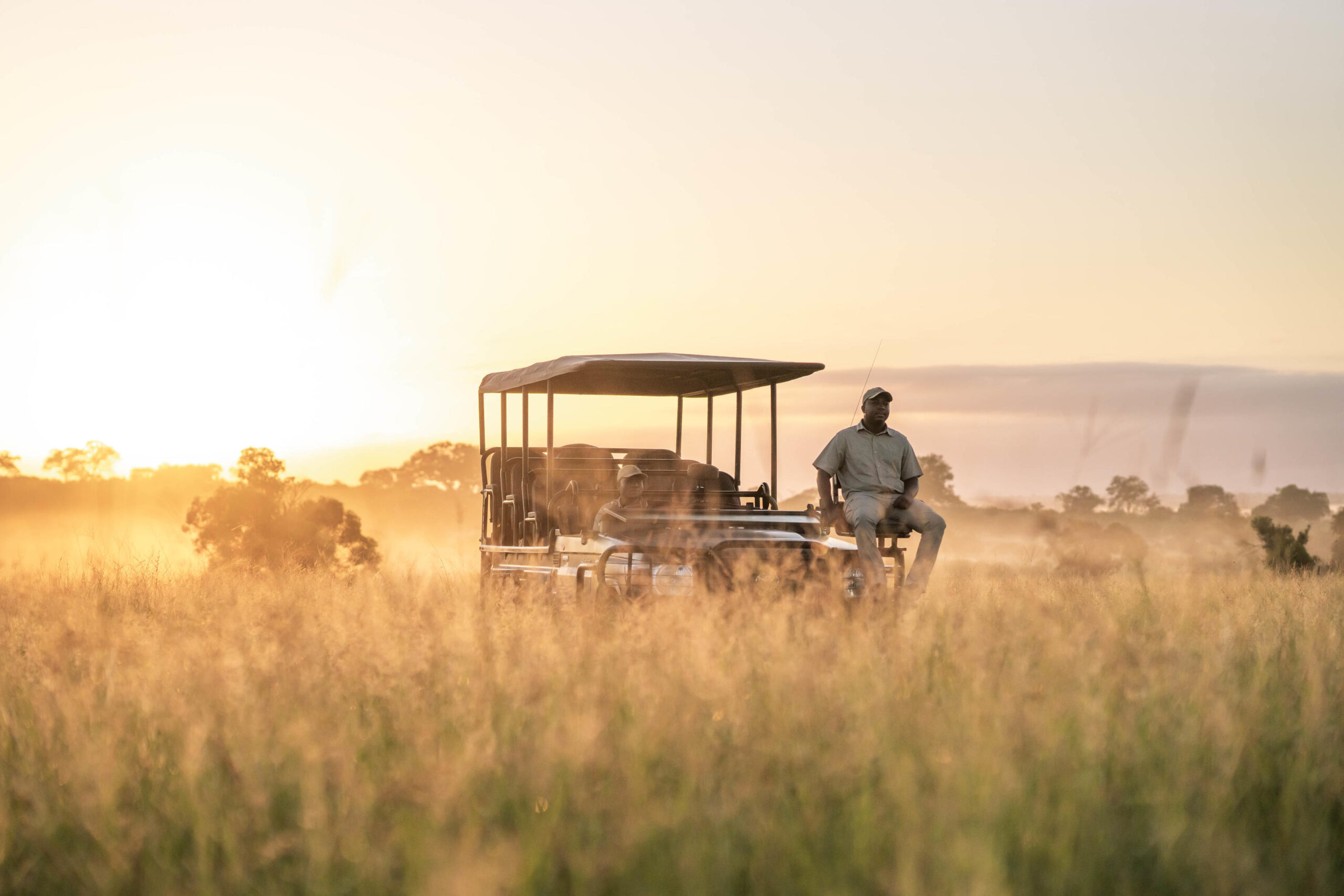
Imagine the distant roar of a lion breaking the silence of dawn. The golden light stretching across endless savannah. A herd of elephants moving slowly, deliberately, as if the land itself belongs to them.
This is not just travel. This is Africa.
At Go Do Africa, we believe a safari isn’t simply about seeing wildlife it’s about feeling something deeper. It’s about connection. To nature. To culture. To moments that stay with you long after you return home.
Planning a safari, though? That can feel overwhelming. With so many destinations, seasons, and styles of travel, knowing where to begin isn’t always easy.
Don’t worry we’re here to guide you.
In this ultimate African safari guide, we’ll walk you through everything you need to know from choosing the right destination to understanding wildlife, timing your trip, and crafting an experience that feels effortlessly yours.
What is an African Safari (and Why Does it Matter)?
An African safari is more than a journey into the wild it’s an immersive experience designed to bring you face-to-face with nature in its purest form.
Traditionally, safaris take place in East and Southern Africa, where vast protected landscapes allow wildlife to roam freely. But today, a safari can mean many things rom luxury lodges overlooking floodplains to walking quietly through the bush with expert guides.
So why does it matter?
Because in a world that moves fast, a safari slows you down.
It reconnects you to something real. You don’t just see wildlife you witness life unfolding, unscripted. You feel the rhythm of Africa. And in doing so, you become part of a story far bigger than yourself.
The History of African Safaris
The word “safari” comes from the Swahili word for “journey” and that’s exactly what it has always been.
In the early days, safaris were long expeditions across Africa’s interior, often driven by exploration. Over time, these journeys evolved, shifting away from hunting and toward conservation and wildlife appreciation.
Today, safaris play a vital role in protecting Africa’s ecosystems. Responsible tourism supports conservation efforts, protects endangered species, and empowers local communities.
When you travel on safari, you’re not just observing Africa you’re helping preserve it.
Types of African Safaris
No two safaris are the same—and that’s what makes them so special.
Classic Game Drive Safaris
This is where most journeys begin. Guided by expert trackers, you venture out in open 4×4 vehicles, searching for wildlife across vast landscapes. It’s the perfect introduction to Africa.
Walking Safaris
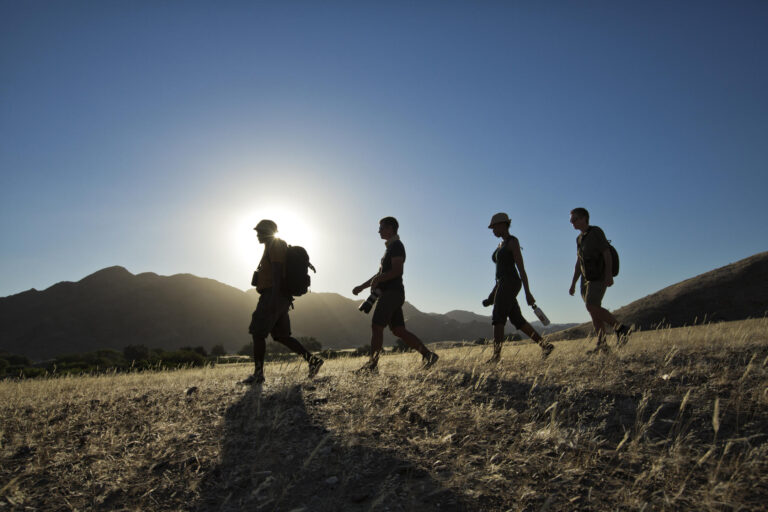
Step out of the vehicle and into the wild. Walking safaris bring you closer to nature in a way that feels raw, real, and deeply personal. Every footprint, every sound matters.
Luxury Safaris
Think private plunge pools, panoramic views, and world-class cuisine under the stars. Luxury safaris combine wilderness with comfort effortless, seamless, unforgettable.
Mobile Safaris
The camp moves with you. Designed to follow wildlife patterns like the Great Migration, mobile safaris offer a front-row seat to nature’s most dramatic moments.
Water-Based Safaris
In places like the Okavango Delta, the experience changes completely. Glide silently through waterways in a mokoro canoe, watching wildlife from a new perspective calm, quiet, magical.
Best Safari Destinations in Africa
Africa is vast—and each destination offers something unique.
Botswana – Pure, Untamed Wilderness
Botswana is where luxury meets raw nature. The Okavango Delta, a UNESCO World Heritage Site, offers one of the most unique safari experiences on Earth water and wildlife intertwined.
Kenya – The Classic Safari Experience
Home to the Maasai Mara, Kenya delivers iconic safari moments. Rolling plains, dramatic predator action, and the world-famous Great Migration.
Tanzania – Scale and Spectacle
The Serengeti and Ngorongoro Crater offer some of the most breathtaking landscapes in Africa. It’s big, bold, and unforgettable.
South Africa – Accessible and Diverse
Perfect for first-time travelers. Kruger National Park offers excellent wildlife viewing with a wide range of accommodation options.
Zambia – The Wild Frontier
Remote, authentic, and known as the birthplace of walking safaris. Zambia is for travelers seeking something deeper, quieter, and more intimate.
Zimbabwe – Dramatic and Rewarding
From the power of Victoria Falls to the wildlife-rich Hwange National Park, Zimbabwe offers a safari experience that feels both raw and refined.
When is the Best Time to Go on Safari?
Timing your safari can transform your experience.
Dry Season (June – October)
Wildlife gathers around water sources, making animals easier to spot. This is peak safari season and for good reason.
Green Season (November – May)
The landscapes come alive. It’s lush, vibrant, and full of new life. Fewer crowds, incredible birding, and dramatic skies make this a hidden gem for travelers in the know.
There’s no “wrong” time only the right time for the experience you want.
What Animals Can You Expect to See?
Every safari tells a different story.
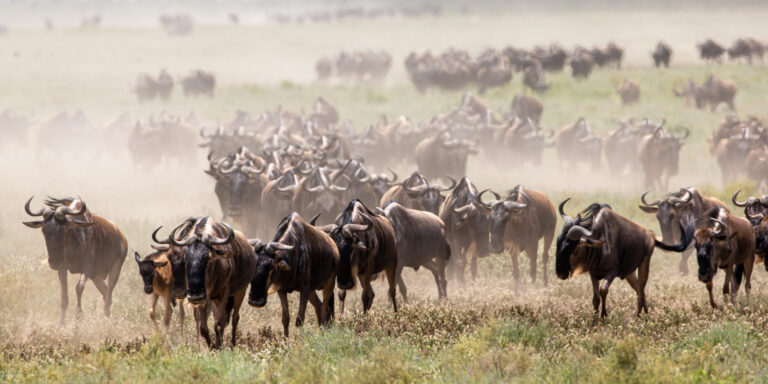
You may track the legendary Big Five lion, leopard, elephant, rhino, and buffalo. Or witness the Great Migration, where thousands of wildebeest move across the plains in search of fresh grazing.
But often, it’s the unexpected moments that stay with you.
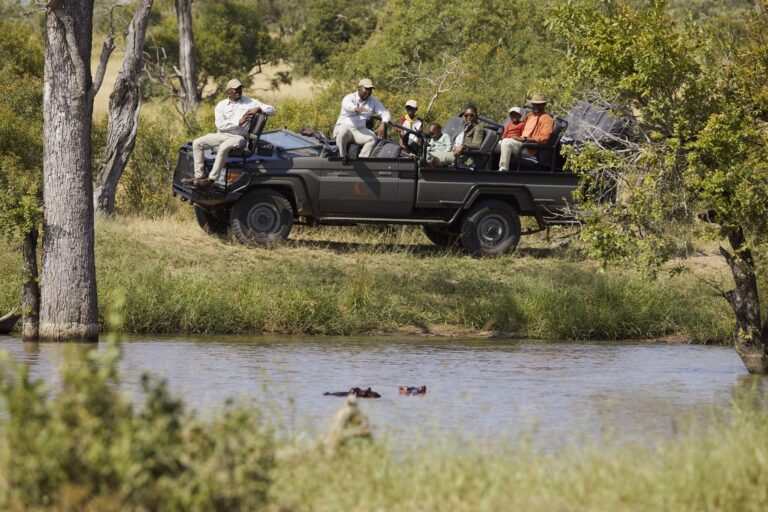
A giraffe silhouetted against the sunset. A lion cub playing in the grass. The stillness of a hippo-filled river at dusk.
This is the magic of safari nothing is staged, and everything is real.
How to Plan an African Safari
Planning your safari doesn’t have to be complicated.
Step 1: Choose Your Destination
Each country offers a different experience. Think about what excites you most water safaris, big game, remote wilderness, or cultural encounters.
Step 2: Define Your Travel Style
Luxury lodge? Mobile camp? Private guided journey? Your experience should reflect how you want to travel.
Step 3: Pick the Right Time
Align your travel dates with wildlife patterns and seasonal conditions.
Step 4: Set Your Budget
Safaris range widely in cost, but every level offers something special.
Step 5: Work with Experts
This is where everything comes together. At Go Do Africa, we take care of every detail from flights and transfers to lodges and experiences—so you can simply enjoy the journey.
Tips for Your First Safari
- Pack light, neutral-colored clothing
- Bring binoculars you’ll use them more than you think
- Be patient the best moments happen when you least expect them
- Trust your guide their knowledge transforms your experience
Pros and Cons of an African Safari
Pros
- Unmatched wildlife encounters
- Deep, meaningful connection to nature
- Unique, often luxurious accommodations
Cons
- Travel can be complex without expert planning
- Remote locations require time and logistics
- Nature is unpredictable but that’s part of the beauty
Safari Costs Breakdown (2026)
Understanding the cost of a safari helps you plan with confidence and choose the experience that truly fits your travel style.
Budget Safari ($200–$400 per person/day)
- Basic lodges or tented camps
- Shared game drives
- Ideal for adventurous travelers
Mid-Range Safari ($400–$800 per person/day)
- Comfortable lodges and tented camps
- Excellent guides and game viewing
- Great balance between comfort and value
Luxury Safari ($800–$2,500+ per person/day)
- Exclusive lodges, private concessions
- Gourmet dining, private guides, premium service
- Seamless, all-inclusive experiences
Ultra-Luxury Safari ($2,500+ per person/day)
- Private villas, helicopters, fully tailored journeys
- Ultimate privacy and exclusivity
💡 What affects cost?
- Destination (Botswana and Tanzania tend to be higher)
- Season (peak vs green season)
- Lodge exclusivity and access
Sample 7–10 Day Safari Itineraries
7-Day Classic Safari (First-Time Travelers)
Day 1–2: Arrive in Johannesburg / Nairobi: Transfer to safari lodge
Day 3–5: Game drives in Kruger / Maasai Mara
Day 6–7: Optional extension (Victoria Falls or beach)
Perfect for a first taste of Africa balanced, accessible, and unforgettable.
8-Day Botswana Delta Experience
Day 1–2: Maun arrival: Okavango Delta lodge
Day 3–5: Water safaris, mokoro, walking safaris
Day 6–8: Chobe National Park: Elephant-rich game drives
A deeper, more exclusive safari ideal for nature lovers.
10-Day East Africa Migration Safari
Day 1–3: Arusha / Nairobi: Serengeti or Maasai Mara
Day 4–7: Follow the Great Migration
Day 8–10: Ngorongoro Crater or Zanzibar extension
Front-row seats to one of nature’s greatest spectacles.
Luxury vs Mid-Range Safari Comparison
| Feature | Mid-Range Safari | Luxury Safari |
| Accommodation | Comfortable lodges | High-end lodges & private villas |
| Game Drives | Shared vehicles | Private vehicles & guides |
| Dining | Full-board meals | Gourmet dining & premium drinks |
| Experience | Great wildlife focus | Highly personalized & exclusive |
| Price | $400–$800/day | $800–$2,500+/day |
💡 Which should you choose?
If you value comfort and great wildlife viewing, mid-range delivers incredible value.
If you want privacy, seamless service, and once-in-a-lifetime luxury this is where a safari becomes extraordinary.
Resources for Planning Your Safari
To go deeper, explore our destination guides, safari itineraries, and expert travel insights. Each one is designed to help you plan with confidence.
Safari Packing Guide (What to Bring)
Packing for a safari is simpler than you think but the right items can elevate your entire experience.
Essentials
- Lightweight, neutral-colored clothing (khaki, beige, olive)
- Comfortable walking shoes
- Wide-brim hat & sunglasses
- Sunscreen and insect repellent
Nice-to-Have Items
- Binoculars (a game changer for sightings)
- Camera with zoom lens
- Light jacket for early morning drives
- Power bank for devices
💡 Keep it light. Most safari flights have strict luggage limits, so soft bags are best.
Safari Etiquette (What Travelers Should Know)
A safari is a shared experience with nature, guides, and other travelers.
- Respect wildlife: Keep quiet and avoid sudden movements
- Follow your guide’s instructions at all times
- Be patient great sightings take time
- Limit phone use be present in the moment
These small things make a big difference not just for you, but for everyone around you.
Safety on Safari
Safaris are incredibly safe when guided by professionals.
Your guides are highly trained and understand animal behavior, terrain, and safety protocols. Lodges are also designed with safety in mind.
A few simple rules:
- Never leave vehicles unless instructed
- Always listen to your guide
- Keep a respectful distance from wildlife
Trust the process you’re in expert hands.
Cultural Experiences Beyond Wildlife
Africa is not just about animals it’s about people, culture, and connection.
A well-designed safari includes opportunities to engage with local communities in meaningful ways:
- Visit Maasai or Himba villages
- Experience traditional music and storytelling
- Learn about conservation from local experts
These moments add depth to your journey turning a safari into a truly human experience.
Sustainable & Responsible Travel
At Go Do Africa, we believe travel should give back.
Responsible safaris support conservation, protect wildlife, and uplift local communities. Many lodges operate with eco-conscious practices from solar power to community partnerships.
When you choose the right safari, you’re not just exploring Africa you’re helping preserve it for generations to come.
Closing
An African safari isn’t something you check off a list.
It’s something you feel.
Long after the journey ends, it stays with you in the stories you tell, the memories you replay, the way you see the world differently.
And when it’s planned right, it becomes effortless.