Tailor made safaris for African Travel



If there’s one safari experience that captures the imagination more than any other, it’s Africa’s Great Migration.
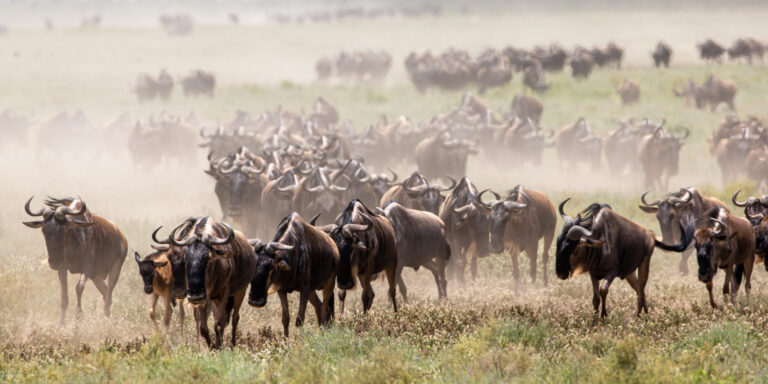
Africa’s Great Migration is a continuous, year-long journey of wildebeest, zebras, and other grazing animals through Tanzania and Kenya, covering a circuit of approximately 1,200 miles in search of food and water. This instinct-driven migration is closely followed by predators, making it one of the greatest and most unpredictable wildlife spectacles on Earth.
But here’s the challenge:
When is the best time to see it?
The answer isn’t as simple as a single month.
Africa’s Great Migration is always moving. The migration covers about 1,200 miles and is driven by the search for food and water. Depending on when you travel, you’ll experience something completely different—from dramatic river crossings to the quiet intensity of calving season.
The timing and route of the migration are influenced by seasonal rains that trigger the growth of fresh, nutrient-rich grasses, guiding the herds’ movements.
At Go Do Africa, we help travelers match the right moment to the experience they want.
In this guide, we break down the Great Migration month by month so you know exactly when to go, what to expect, and how to plan it right.
Understanding the Great Migration Cycle
The migration follows rainfall patterns in a circular route between Tanzania’s Serengeti and Kenya’s Maasai Mara, with the journey beginning in Tanzania.
Instead of a fixed path, it’s a continuous loop driven by survival.
Key phases include:
- Calving season (birth and predator activity)
- Trek north across the plains
- River crossings (high drama)
- Return south
Each phase offers a different kind of experience.
The migration pattern typically begins in the southern Serengeti, where the herds calve from December to March, before making their trek north to the Maasai Mara by July and August, and then returning south by October and November.
The timing and route of the Great Migration can vary significantly each year due to unpredictable rainfall patterns, which affect the availability of grazing and water sources for the herds.
Serengeti National Park
Serengeti National Park pulses with the rhythm of Africa’s Great Migration, where some of the continent’s most powerful wildlife dramas unfold across endless grasslands. The vast plains stretch beyond the horizon, divided into three distinct regions that each play their part in this ancient dance of survival.
The Southern Serengeti transforms into nature’s maternity ward each year. Picture this: from January to March, the short grass plains shimmer with new life as hundreds of thousands of wildebeest mothers give birth under the open sky.
You’ll witness tiny calves taking their first wobbly steps while the air hums with protective calls and the rustle of grass.
This nursery becomes a stage for raw drama lions and leopards move through the herds with quiet purpose, and you can feel the tension between vulnerability and fierce maternal instinct.
When the seasons shift, something remarkable happens. The great herds begin their slow march northward into the Central Serengeti, and the landscape comes alive with movement. From April to June, you’ll find yourself surrounded by rivers of animals flowing across the plains toward the promise of fresh grass.
The Grumeti River winds through this region like a lifeline, its banks dotted with zebra and wildebeest coming to drink. Here, in the Western Corridor, you’ll witness the first river crossings moments when survival instincts override fear, and animals plunge into crocodile-watched waters.
Come July, the herds reach the Northern Serengeti, where the mighty Mara River carves its path through the landscape. This is where nature’s most intense theater plays out.
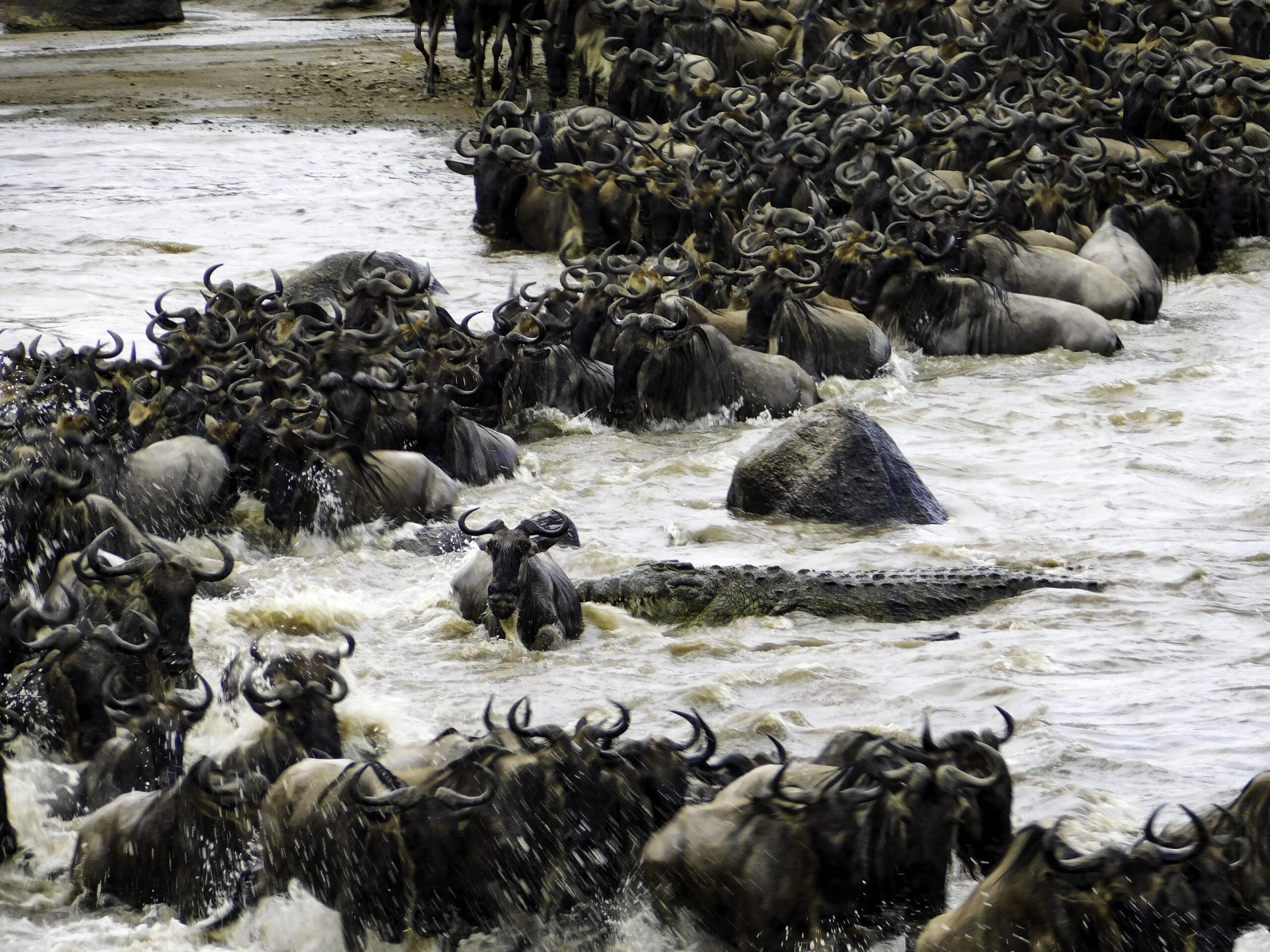
The air grows thick with dust and anticipation as thousands of animals gather at the river’s edge, testing the current, sensing danger. When they finally commit to crossing, the water explodes with splashes and desperate calls while predators wait on both sides.
You’ll hold your breath watching these life-and-death moments unfold, understanding why this river has become legendary.
Whether you’re drawn to the tender chaos of calving season in the southern grasslands, the massive gatherings that transform the central plains, or the heart-stopping drama of river crossings in the north, Serengeti offers you a front-row seat to every act of this extraordinary migration story.
Maasai Mara National Reserve
The Maasai Mara doesn’t just host the Great Migration—it becomes part of it. When the great herds push north into Kenya between July and October, these golden grasslands transform into something alive and urgent, where every sight line holds the possibility of witnessing nature’s most compelling story unfold.
Here, the Mara River, a major river, cuts through the landscape like a natural theater, separating the Maasai Mara from Tanzania’s Serengeti. The crossing of this river is especially perilous due to the presence of crocodiles lurking in the deeper pools, making it one of the most dramatic and sought-after events of the migration.
This is where the drama peaks—thousands of wildebeest and zebra gathering courage at the water’s edge before plunging into currents that hold both passage and peril. Crocodiles wait in the deeper pools, patient as stones.
The Talek River offers its own crossing points, each bend providing you with different angles to watch these moments that feel both ancient and immediate.
The dry months bring their own rewards beyond the river spectacles. When the plains turn golden and sparse, wildlife has fewer places to hide, making every game drive feel purposeful. The abundance draws the big cats closer, lions trailing the herds, leopards watching from the acacia trees.
You’ll find the Big Five here, but it’s the way they move through this landscape unhurried, belonging that makes the encounters feel genuine rather than staged.
If the crowds at peak season feel overwhelming, consider the early rains of November and December. The herds begin their southern drift during these months, the grass turns green and soft, and the whole reserve takes on a different rhythm.
River crossings become rare, but wildlife viewing remains rewarding, and you’ll often have the plains more to yourself. The costs drop too, which means you can spend your budget on the experiences that matter most to you.
Whether you choose the intensity of peak season or the quieter grace of the green months, the Maasai Mara offers you something essential—a front-row seat to the Great Migration and wildlife encounters that feel both spectacular and real. The choice isn’t about better or worse; it’s about the kind of story you want to be part of.
Month-by-Month Great Migration Guide
January – Calving Begins (Southern Serengeti)
The herds gather in the southern Serengeti.
- Early calving season
- Large concentrations of wildebeest
- Wildebeest prefer the short grass plains of the southern Serengeti for calving because the volcanic soil provides nutrient-rich grazing.
- These conditions help mother wildebeest produce nutrient-dense milk for their calves.
- Predators begin to follow closely
Best for: Photographers, quieter safari experience
February – Peak Calving Season
This is one of the most dramatic and emotional times of the migration.
- Thousands of calves born daily
- Intense predator activity (lions, cheetahs, hyenas)
- Short grass plains make viewing easier
- Best for: Big cat sightings, raw wildlife moments
March – Movement Begins
As the rains shift and the plains dry, the herds begin their gradual migration north in search of fresh grazing.
- Gradual migration north as the plains dry
- Lush landscapes
- Fewer tourists
Best for: Scenic safaris, fewer crowds
April – Green Season Migration
The herds continue moving through central Serengeti.
- Dramatic skies and landscapes
- Lower visitor numbers
- Some camps may close due to rains
Best for: Value travel, photography
May – Gathering Momentum
The migration becomes more active.
- Herds group into larger numbers
- Movement toward western corridor
Best for: Witnessing large herd formations
June – Grumeti River Crossings Begin
The first river crossings begin in western Serengeti.
- Crocodile-filled waters
- Less crowded than Mara crossings
Best for: Early migration drama
July – Northern Movement & Peak Season Begins
The herds move north toward the Maasai Mara.
In early July, wildebeest herds begin arriving at the Mara River, where they cross from one side to the other, with dramatic crossings at both the Mara and Talek rivers peaking in mid July.
- Increasing river crossings
- High demand for safaris
Best for: Classic migration experience
Peak viewing times for river crossings are July–September, with the best viewing from late July to early September, though exact dates can vary annually based on rainfall. The river crossings, which are among the most dramatic events of the Great Migration, typically occur from mid-July to September, with August being the peak month for witnessing these crossings.
August – Peak River Crossing Season
This is one of the most sought-after times to visit.
- Dramatic Mara River crossings, with August being the peak month for witnessing wildebeests crossing in large numbers
- High predator activity
- Intense, unpredictable moments
Best for: Iconic migration sightings
During this period, crowd sizes and safari costs are at their highest, as many travelers gather to witness the wildebeest migration and the spectacle of the river crossings. Overcrowding can lead to stressed wildlife and a diminished safari experience, raising ethical concerns about the impact of tourism on natural animal movements. Responsible tourism is essential—visitors should respect wildlife behavior and ensure their activities do not disrupt the wildebeest migration.
September – Continued Crossings & Stability
The herds remain in the north.
- Continued river crossings at both the Mara and Talek rivers
- Excellent predator sightings
Best for: Consistent wildlife viewing
October – Transition Begins
The migration starts moving south again.
- Fewer crowds than peak months
- Strong wildlife viewing
Best for: Balanced safari experience
November – Return to Serengeti
The rains begin, and herds move south.
- Landscapes become green
- Migration spreads out
Best for: Quiet, scenic safaris
December – Cycle Resets
The herds return to the southern Serengeti.
- Preparation for calving season
- Fewer tourists
Best for: Early migration experience
Best Time to See Specific Migration Events
River Crossings
Best: July – October
Location: Northern Serengeti & Maasai Mara
During this period, the mara river crossing is a highlight, with herds gathering at key crossing points along the Mara River. While the Mara River crossing is iconic, alternative migration routes and locations such as the Grumeti River in Tanzania, Loita Hills in Kenya, and Liuwa Plains in Zambia also offer prime viewing opportunities. Liuwa Plains in Zambia hosts a smaller wildebeest migration, best seen from October to December and peaking in late November, providing an alternative spectacle to the more famous migrations in Tanzania and Kenya. Maintaining clear crossing points is crucial for wildlife well-being and minimizing overcrowding, as it helps prevent obstruction and ensures a better experience for both animals and visitors.
Calving Season
Best: January – March
Location: Southern Serengeti
Large Herd Movements
Best: May – June
Location: Central & Western Serengeti
Where to Stay for the Best Migration Experience
Choosing the right location is just as important as timing.
- Southern Serengeti Calving season
- Central Serengeti Year-round access
- Northern Serengeti River crossings
- Maasai Mara Peak migration (Kenya side)
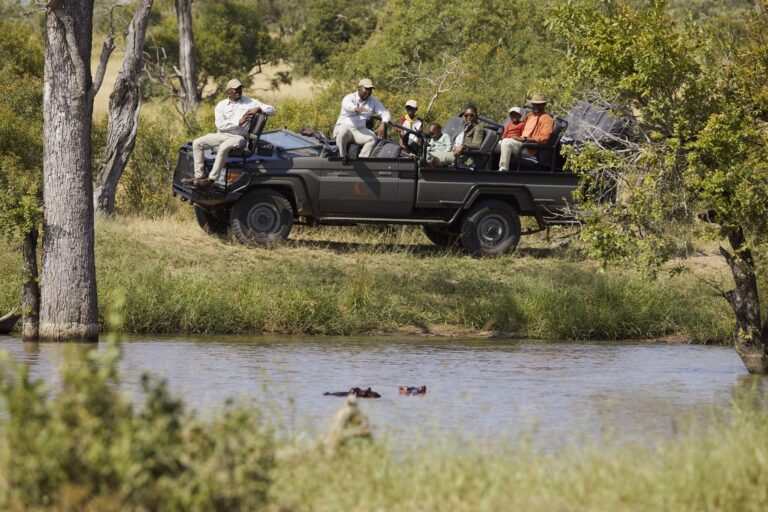
Mobile camps offer the best chance of staying close to the action. Even staying one night in a mobile camp can provide a front-row seat to dramatic migration events, such as river crossings or calving.
Sustainable tourism practices, like mobile safaris, allow travelers to follow the migration while minimizing their impact on wildlife and the environment.
Tips for Planning Your Migration Safari
- Book early (6–12 months in advance for peak season)
- Stay multiple nights in one region
- Be flexible wildlife doesn’t follow schedules
- Work with safari experts to track herd movements
Common Mistakes to Avoid
Many travelers make the mistake of expecting guaranteed river crossings during their safari. The reality is that these crossings are highly unpredictable, influenced by rainfall patterns and the animals’ own instincts. Planning a trip solely around witnessing a river crossing can lead to disappointment if the herds decide to delay or change their route.
Another common error is visiting at the wrong time for your personal expectations. For example, if you want to see massive herds and dramatic river crossings, traveling during the dry season from July to September is ideal. However, if you prefer quieter moments with newborn calves and intense predator-prey interactions, the calving season in the southern plains from December to March is prime time.
Trying to cover too many regions in one trip can also diminish your experience. The Great Migration spans vast areas including the southern plains, central and western Serengeti, and the Masai Mara. Attempting to see all these locations in a short period can result in rushed game drives and missed wildlife moments. Instead, focus on one or two key areas aligned with the migration phase you want to witness.
The best experience comes from aligning your timing with your expectations and being flexible to nature’s rhythms.
Why Timing Matters So Much
The Great Migration is a continuous journey of massive herds moving in search of greener pastures and water. The experience you have depends entirely on when and where you choose to see the migrating herds.
One month might offer serene scenes of newborn calves taking their first steps amid the short grass of the southern plains during the rainy season. This is a time when predators are active but the atmosphere is less crowded, ideal for those seeking intimate wildlife encounters.
Another month might bring the thrill of witnessing thousands of wildebeest braving the dangerous river crossings at the major rivers like the Mara or Grumeti during the dry season. This period is marked by intense predator-prey interactions and dramatic landscapes but also higher visitor numbers and costs.
Neither experience is better or worse they simply showcase different aspects of the migration’s epic cycle. Understanding these seasonal shifts allows you to choose the moment that matches the kind of safari story you want to be part of.
Closing
The best time to see the Great Migration isn’t just about picking a date on the calendar. It’s about understanding the migrating herds’ journey through the central and western Serengeti to the Masai Mara, the influence of the rainy season and dry season, and the rhythms of calving grounds and river crossings.
By choosing the right time to see the migration, whether you want to witness the massive herds heading south in search of greener pastures or the prime time river crossings amid significant numbers of animals, you set yourself up for an unforgettable wildlife adventure.
Ready to plan your Great Migration safari?
Let us guide you to the right place, at the right time whether it’s during the calving season in the southern plains, the dramatic river crossings in the northern Serengeti and Masai Mara, or the quieter moments of the rainy season. Experience one of nature’s greatest spectacles exactly as you imagined.
Frequently Asked Question
When should I book my safari to see the Great Migration?
To secure the best accommodations and safari experiences during peak migration times, it is recommended to book your trip 12 to 18 months in advance. This ensures availability and allows you to plan your itinerary around key migration events like the river crossings and calving season.
What are the short rains, and how do they affect the migration?
The short rains occur typically between October and December in East Africa. These rains help rejuvenate grazing lands in the southern Serengeti, prompting the herds to return south for calving season. The fresh grass supports pregnant wildebeest and their newborn calves, making this an important period in the migration cycle.
Can I see the Great Migration during the summer months?
Yes, the summer months (June to September) are an excellent time to witness the Great Migration, especially the dramatic river crossings at the Mara and Grumeti rivers. This dry season concentrates animals around water sources, making wildlife viewing particularly rewarding despite higher visitor numbers and costs.